How to Prepare Your Home for Interior Painters
Hiring professional interior painters should make your project easier, not give you a long list of painting prep work to complete yourself.
You generally do not need to patch every hole, sand the walls, tape off trim, cover the floors, or prime surfaces before your painters arrive. Those steps are often part of the professional preparation process, depending on the scope of your project.
What homeowners can do is make the space easier to access, remove personal belongings, finalize important decisions, and let the painting crew know about anything that may affect the project.
Here is how to prepare your home before your interior painters arrive.

Table of Contents
- What Should You Do Before Painters Arrive?
- Confirm What Is Being Painted
- Finalize Your Paint Colors
- Remove Wall Decorations
- Nails and Picture Hooks
- Small Furniture and Fragile Items
- What About Large Furniture?
- Countertops, Shelves, and Surfaces
- Should You Remove Curtains or Blinds?
- Do You Need to Empty Closets?
- Do You Need to Clean Your Walls Before Professional Painters Arrive?
- What Prep Work Should Painters Handle?
- Create Clear Paths
- Make a Plan for Pets
- Plan Around Children and Activities
- What If Your Home Was Built Before 1978?
- Tell Your Painters About Existing Damage
- Do You Need to Leave the House?
- Ventilation During & After
- Painting Preparation Checklist
- Professional Interior Painting
Need Help Choosing Paint Colors?
Qualifying MGM Painting Co. projects include a free professional color consultation through our partnership with Guiry’s Color Source. Our customers can meet one-on-one with a professional designer who can help coordinate colors for walls, trim, cabinets, exteriors, and other painted surfaces.
This can make the color-selection process much easier, especially when you are painting several rooms or updating the overall color palette of your home.

What Should You Do Before Painters Arrive?
Most homeowners only need to take care of a few basic things before painting begins:
- Remove wall decorations and personal belongings
- Move small or fragile furniture out of the work area
- Clear countertops, shelves, and other surfaces
- Make sure painters can easily access the rooms being painted
- Finalize paint colors and finishes
- Identify any areas of concern you want the painters to inspect
- Make arrangements for pets and children
- Confirm which surfaces are included in the project
Your painting contractor should explain anything additional that needs to be done before the scheduled start date.

Confirm What Is Being Painted
Before the project begins, make sure you understand exactly what is included in your painting estimate. An interior painting project can include much more than walls. Depending on the project, painters may also be working on:
- Ceilings
- Baseboards
- Crown molding
- Window trim
- Doors and door frames
- Closets
- Built-in shelving
- Cabinets
- Accent walls
- Stairways
- Railings
Knowing the scope ahead of time makes it easier to determine what needs to be cleared. For example, you probably do not need to empty a closet if only the bedroom walls are being painted. If the inside of the closet is included, however, clothing and stored items will need to be removed.
Finalize Your Paint Colors
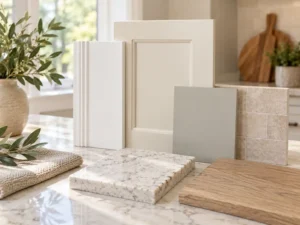
Try to finalize your paint colors and finishes before your painters arrive. Waiting until the project has started to make color decisions can slow down the schedule and make it more difficult to order the correct products. Consider factors such as:
- Natural light
- Artificial lighting
- Existing flooring
- Cabinets and countertops
- Furniture
- Trim colors
- Adjoining rooms
MGM Painting has put together serveral articles to help you choose the right color for different rooms of your home. We have covered kitchens, bedrooms, hallways, offices, and many more in our blog.
MGM Painting also offers a complimentary color consultation service through our partnership with Guiry’s Color Source. For more information on this, visit our Color Consultation page.

Remove Wall Decorations
Take removable decorations off the walls before painting day. Place these items somewhere outside the painting area so they are protected while the work is being completed. This may include:
- Framed pictures
- Artwork
- Mirrors
- Clocks
- Shelves
- Decorative signs
- Hanging plants
- Wall-mounted accessories

Nails and Picture Hooks
Take removable decorations off the walls before painting day. Place these items somewhere outside the painting area so they are protected while the work is being completed. This may include:
- Framed pictures
- Artwork
- Mirrors
- Clocks
- Shelves
- Decorative signs
- Hanging plants
- Wall-mounted accessories

Small Furniture and Fragile Items
Small furniture is usually easiest to move completely out of the room.
- Consider removing:
- Side tables
- Lamps
- Floor decorations
- Small chairs
- Plant stands
- Electronics
- Decorative objects
- Breakable items
Removing these items gives painters more room to work and reduces the chance of something being accidentally damaged. You should also remove valuables, important documents, medications, jewelry, and other personal items from the work area.

What About Large Furniture?
You usually do not need to completely empty every room. Large furniture can often remain in the room as long as there is enough space for painters to safely access the walls and ceilings.
Depending on the project, larger pieces may be:
- Moved toward the center of the room
- Shifted to another area
- Covered and protected during painting
Do not assume you need to move heavy furniture yourself. Before painting day, ask your contractor what they would like you to move and what the painting crew can handle

Countertops, Shelves, and Surfaces
Painters need clear working space around the surfaces being painted.
Remove items from:
- Kitchen countertops
- Bathroom counters
- Open shelving
- Mantels
- Window sills
- Built-in shelves
- Desks positioned against painted walls
This is particularly important when painters are working around trim, cabinets, windows, or built-ins. You do not need to completely reorganize your home. The goal is simply to give the painters enough room to work without having to move personal belongings.

Should You Remove Curtains or Blinds?
That depends on what is being painted and how the window treatments are installed.
- Curtains are usually simple to remove and may be worth taking down before painting begins.
- Blinds, shades, and more complicated window treatments may be handled differently.
If painters need access to the window trim, ask your contractor whether you should remove the window coverings or whether the crew will take care of them. Avoid removing complicated hardware unless you know it needs to come down.

Do You Need to Empty Closets?
Only if painters need access to the inside of the closet. If closet interiors are included in the project, remove:
- Clothing
- Shoes
- Boxes
- Items stored on shelves
- Hanging organizers
- Other personal belongings
If the closet is not being painted, you may be able to leave everything where it is. Confirm this with your painting contractor before unnecessarily emptying multiple closets.

Do You Need to Clean Your Walls Before Professional Painters Arrive?
Usually, you do not need to wash every wall in the house before painters arrive. Professional surface preparation should address the conditions of each wall before paint is applied.
However, let your painting crew know about unusual contamination or problem areas such as:
- Kitchen grease
- Heavy dirt or grime
- Smoke residue
- Water stains
- Mildew
- Food splatter
- Heavy fingerprints or buildup
- Residue around fireplaces
These areas may require additional cleaning or specialized preparation before painting. If your contractor wants you to clean anything beforehand, they should be able to tell you exactly what needs attention.

What Prep Work Should Painters Handle?
One of the biggest misconceptions about hiring interior painters is that the homeowner needs to prepare the walls before the professionals arrive. In many cases, surface preparation is one of the most important parts of the professional painting process. Depending on the condition of the home and the project scope, professional prep may include:
- Filling nail holes
- Repairing minor wall damage
- Patching drywall
- Sanding repaired areas
- Caulking gaps
- Scraping loose material
- Cleaning surfaces when necessary
- Protecting floors
- Covering furniture
- Masking surrounding surfaces
- Removing switch and outlet covers
- Spot priming repaired areas
- Applying primer when needed
Do Not Do Extra Prep Without Asking Your Painter
Before sanding, patching, caulking, or priming walls yourself, talk with your painting contractor. Using the wrong patching material, primer, caulk, or surface-preparation method can sometimes create additional work. If you have already repaired an area yourself, simply let the painters know so they can inspect it before coating.
Create Clear Paths
Interior painters may be moving ladders, drop cloths, tools, paint, and other equipment between different parts of the house. Make sure there is a reasonably clear path from the entrance to the rooms being painted.
Pay attention to:
- Hallways
- Stairs
- Entryways
- Landings
- Doorways
Remove toys, boxes, shoes, pet supplies, and other items that could create obstacles. You do not need to completely clear unrelated rooms. Focus on the areas painters will regularly travel through.

Make a Plan for Pets
Painting projects involve open doors, unfamiliar people, equipment, and rooms that pets should not enter while work is underway.
Consider keeping pets:
- In a room outside the work area
- With a friend or family member
- At daycare
- In another secure area of the home
Let the crew know if there are pets in the house, particularly if an exterior door needs to remain closed or a pet has special requirements.
Keeping pets away from active work areas also prevents fur, dust, or curious paws from ending up on freshly painted surfaces.

Plan Around Children and Activities
For larger interior projects, think about how the work will affect your normal routine.
A few questions to consider include:
- Which rooms will be unavailable?
- Will bedrooms be painted?
- Will you be able to use the kitchen?
- Will a home office be accessible?
- Will painters need access during work or school hours?
- Where will children play while work is underway?
For whole-home interior painting, your contractor may divide the project into stages so you continue to have usable areas of the house.
Discuss the project sequence before work begins if there are rooms you need access to at specific times.

Homes Built Before 1978
Homes built before 1978 may contain lead-based paint.
If your home falls into this category, let your painting contractor know before any sanding, scraping, demolition, or other work that could disturb older painted surfaces.
Do not aggressively sand or scrape old coatings immediately before the painters arrive.
Projects involving older coatings may require specific lead-safe work practices depending on the home and the work being performed.

Tell Your Painters About Damage
Before painting begins, point out anything unusual you have noticed.
This could include:
- Cracks
- Water stains
- Peeling paint
- Nail pops
- Damaged drywall
- Loose trim
- Previous repairs
- Areas where paint has failed
- Stains that repeatedly bleed through paint
Not every surface problem is simply cosmetic. For example, an active water leak should be corrected before the affected surface is repaired and painted.
Professional painters can help identify coating and surface-preparation issues, but underlying plumbing, roofing, structural, or moisture problems may require another contractor first.

Do You Need to Leave the House?
Not necessarily. Many homeowners remain in their homes during interior painting projects.
Whether that makes sense depends on:
- The number of rooms being painted
- Where the rooms are located
- The products being used
- Ventilation
- The project schedule
- Children or pets in the home
- Your sensitivity to paint odors
For larger projects, painters may work through the home in sections so you still have access to other rooms. Ask your painting contractor what to expect before the project begins.

Ventilation During & After
Ventilation can help move fresh air through painted rooms while coatings dry. Depending on conditions, this may involve:
- Opening windows
- Opening doors
- Using ventilation fans
- Adjusting airflow through the home
However, opening every window is not always the best approach. Temperature, wind, dust, humidity, and outdoor conditions can all affect the painting environment.
Follow the recommendations of your painting crew regarding ventilation during and after the project.

Painting Preparation Checklist
Before your painters arrive, run through this simple checklist:
- Confirm which surfaces are being painted
- Finalize paint colors
- Remove pictures and wall decorations
- Remove small furniture when practical
- Put away fragile and valuable belongings
- Clear countertops and shelves near painted areas
- Empty closets only if closet interiors are being painted
- Ask about curtains and blinds
- Clear paths through hallways and entrances
- Secure pets
- Plan around rooms that will temporarily be unavailable
- Point out stains, cracks, repairs, or other areas of concern
- Tell your contractor if the home was built before 1978
Confirm anything else the painting crew needs from you before starting. Most importantly, do not assume you need to complete professional wall preparation yourself. Ask what is included in your painting estimate before patching, sanding, priming, taping, or moving heavy furniture.
Professional Interior Painting in Northern Colorado
A professional interior paint job should provide smooth, consistent coverage, clean lines, and a durable finish that complements the rest of your home. MGM Painting Co. proudly serves Fort Collins, Loveland, Windsor, Timnath, Greeley, Wellington, and Johnstown with professional interior painting services.
MGM Painting Co. provides professional painting services backed by detailed preparation, quality craftsmanship, clear communication, a 5-star Google rating, and A+ accreditation with the Better Business Bureau (BBB). Qualifying projects also receive a complimentary professional color consultation to help coordinate wall, ceiling, trim, cabinet, and accent colors throughout your home.
Contact us today to schedule your estimate and give your home’s interior a clean, professionally painted finish.