Apartment Turnover Painting Guide for Property Managers
Apartment turnover painting can look simple on paper. A resident moves out, the maintenance team inspects the unit, painters come in, and the apartment is prepared for the next tenant. In practice, the decision is rarely that straightforward.
One apartment may need only a handful of nail holes repaired and several small touch-ups. Another may have widespread scuffing, dark tenant-painted walls, drywall damage, stains, inconsistent finishes, and years of accumulated wear.
Automatically repainting both apartments from top to bottom can waste labor and materials. Trying to touch up both can create visible repairs, callbacks, and delays.
The better approach is to treat apartment turnover painting as a condition-based maintenance process.
“One of the biggest mistakes we see with turnover painting is assuming every unit needs the exact same thing,” says Matt Morgenstern, owner of MGM Painting Co. “Some apartments need very little. Others need a complete reset. The inspection should determine the scope, not just the fact that someone moved out.”
Table of Contents
- Does Every Apartment Need to Be Repainted
- The Four Levels of Apartment Turnover Painting
- Start with Inspection
- Clean the Walls
- Surface Preperation
- Apartments Built Before 1978
- Best Paint Finish for Rental Apartments
- Standardizing Paint Across Rental Portfolios
- Low or Zero-VOC Paint?
- When is Primer Needed?
- How Long Does Turnover Painting Take?
- Why Floor Area is a Poor Estimator
- Vacancy Time
- Turnover Painting Timeline
- How to Inspect Apartment Painting Before Releasing
- Painting Metrics PMs Should Track
- How to Reduce Apartment Painting Costs
- Professional Apartment Painting Contractor
- Frequently Asked Questions
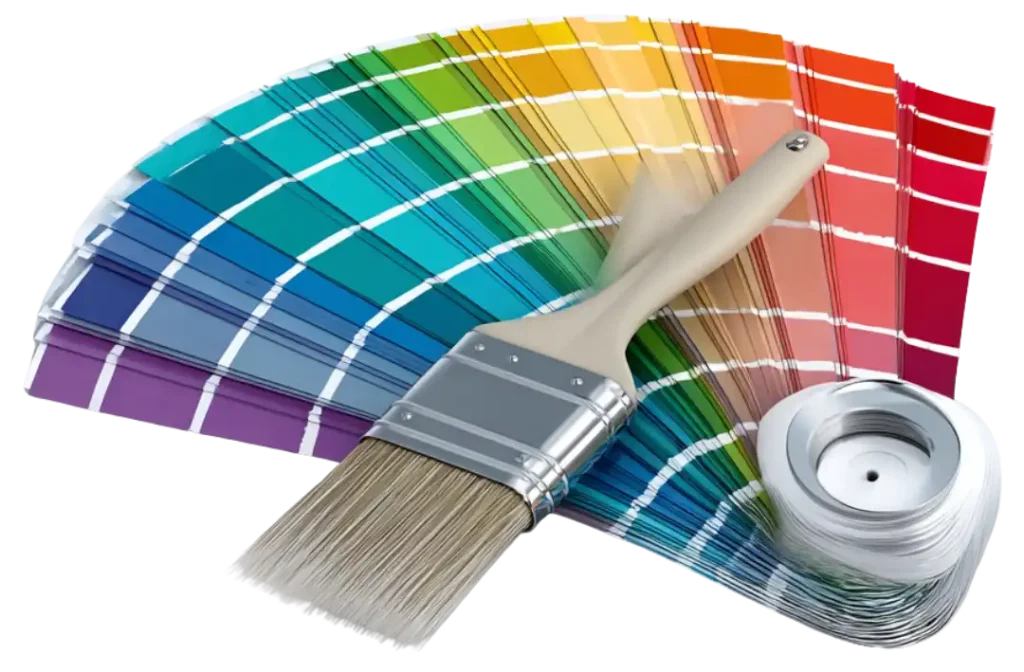
Professional Color Consultations
Does Every Apartment Need to Be Repainted Between Tenants?
Not necessarily. There is an important difference between inspecting every apartment at turnover and repainting every apartment at turnover.
Every vacant apartment should be inspected. The condition of that apartment should determine what happens next.
A resident who lived in an apartment for one year may leave behind only a few small scuffs and nail holes. Another resident who occupied the same unit for many years may leave walls with fading, accumulated repairs, furniture abrasion, staining, color changes, and visible differences between old and new coatings.
Calendar age can help identify units that deserve closer attention, but age alone should not determine whether an apartment receives a full repaint. Make sure to also read our article on best paint colors for rental properties.
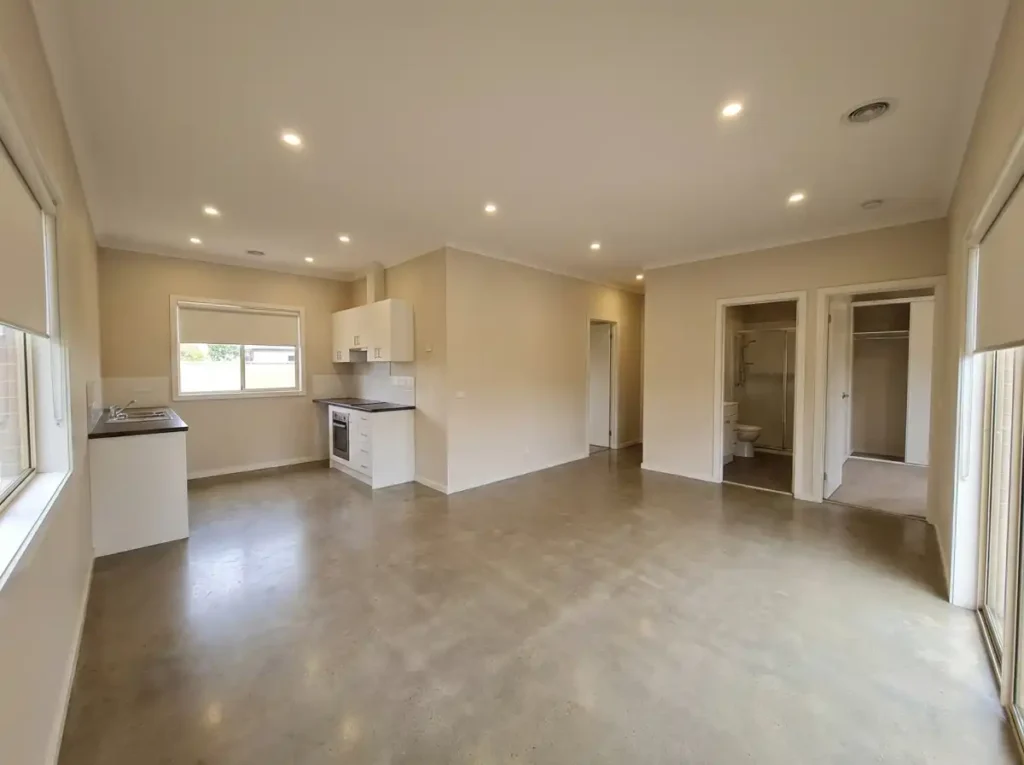
Property managers should evaluate
- Overall wall condition
- Number of nail holes and drywall repairs
- Scuffs and abrasion
- Staining
- Paint fading
- Existing sheen
- Previous touch-ups
- Tenant-applied colors
- Ceiling condition
- Door and trim condition
- Coating adhesion
- Whether marks can be cleaned
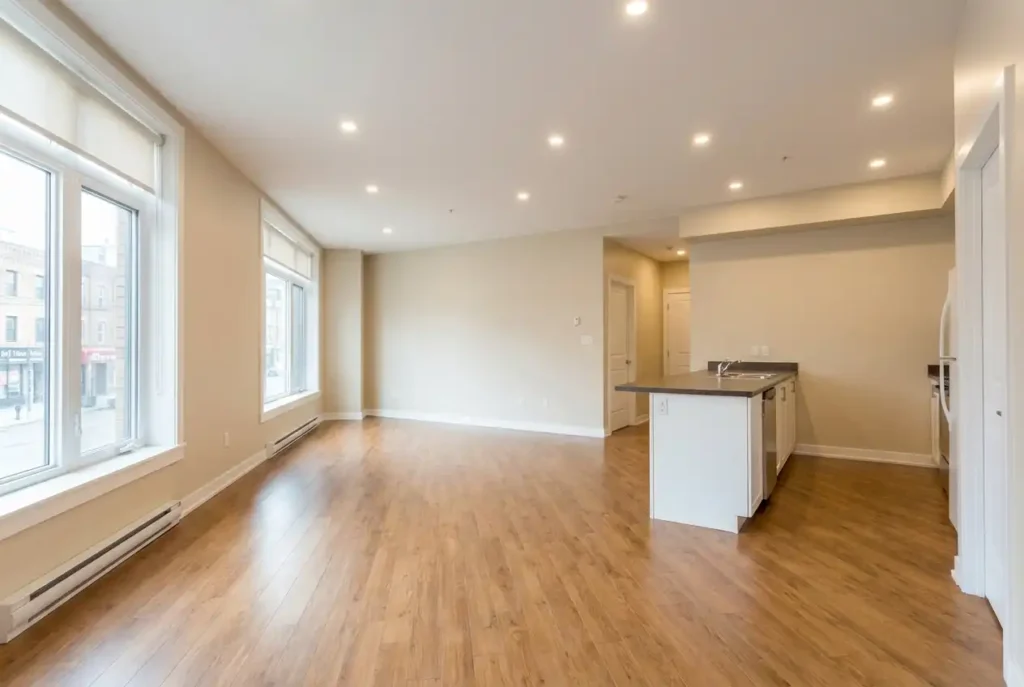
The Four Levels of Apartment Turnover Painting
One of the easiest ways to standardize turnover painting is to divide work into four basic scopes. Creating these categories gives property managers, maintenance teams, and painting contractors a common way to describe the work.
It also helps prevent two common problems: repainting more than necessary and trying to repair more than a touch-up can realistically hide.
|
Painting Scope
|
Best Used When
|
|---|---|
|
Spot Touch-Up
|
Damage is isolated and the existing coating can be matched successfully
|
|
Wall Repaint
|
One wall has several repairs, visible touch-ups, or
|
|
Room Repaint
|
Several walls in one room are damaged, discolored, or painted a different color
|
|
Full-Unit Repaint
|
Wear, repairs, staining, or inconsistent coatings are widespread
|
1. Spot Touch-Ups
Touch-ups are the smallest and often least expensive painting scope. They are most successful when damage is truly isolated.
Examples include:
- A few nail holes
- Small drywall patches
- Minor scuffs
- Small repaired areas
- Isolated marks that cannot be cleaned
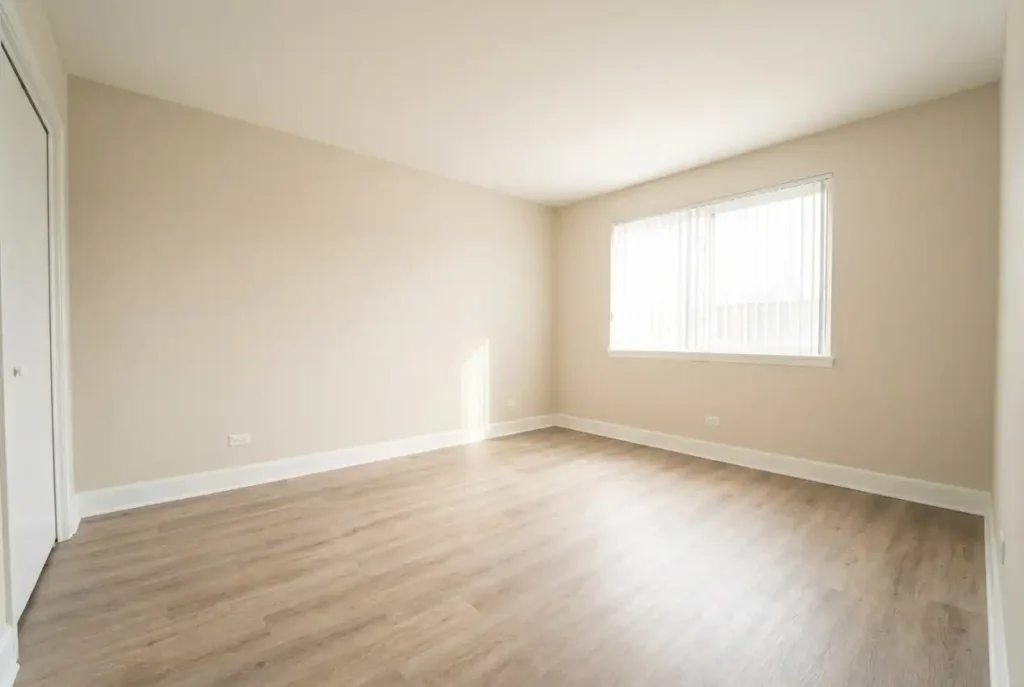
Keep Property Records
Touch-ups work best when the property has accurate records of the existing coating. As a property manager you should try to maintain records of:
- Manufacturer
- Product line
- Color
- Tint formula
- Sheen
- Approximate age of the coating
However, even knowing the exact paint does not guarantee that a touch-up will disappear.
Walls can fade. Repeated cleaning can alter the sheen. Certain areas can become polished or burnished. Different walls may receive different amounts of natural light. Previous repaints may also leave several layers of coating on one surface.
The result can be touch-up flashing, where the new paint is visible even though the color is technically correct.
“You can have the right paint color and still see the touch-up,” says Morgenstern. “That is why we look at the wall as a whole. Sometimes the better solution is to paint the wall from corner to corner instead of continuing to chase a touch-up.”
That distinction matters in high-volume apartment turnovers. Repeatedly enlarging a touch-up can consume more time than simply repainting the wall correctly from the beginning.
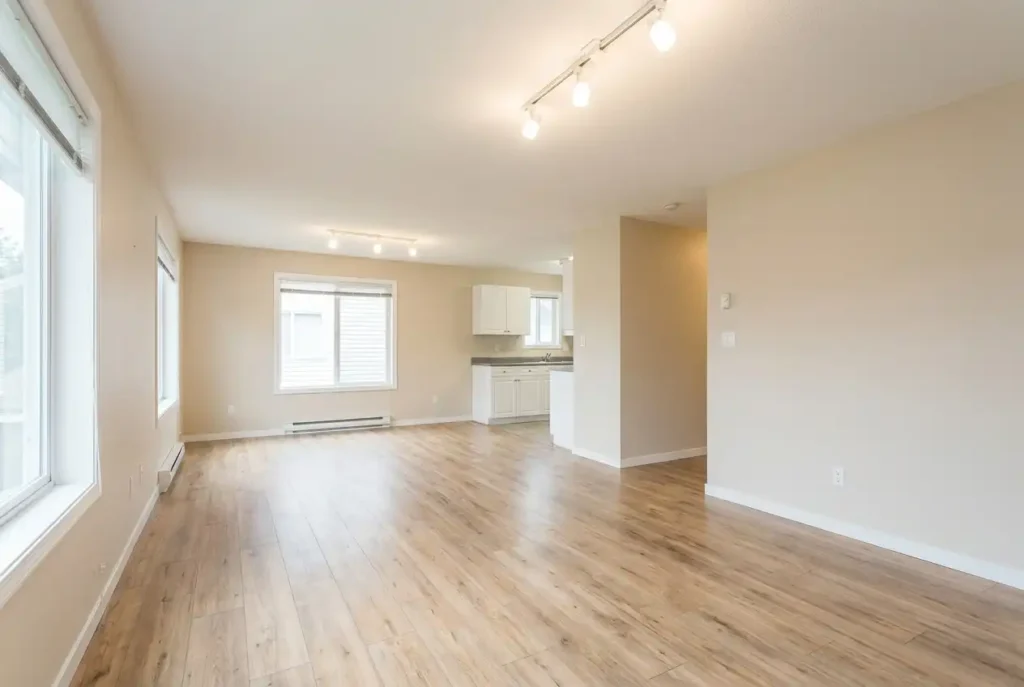
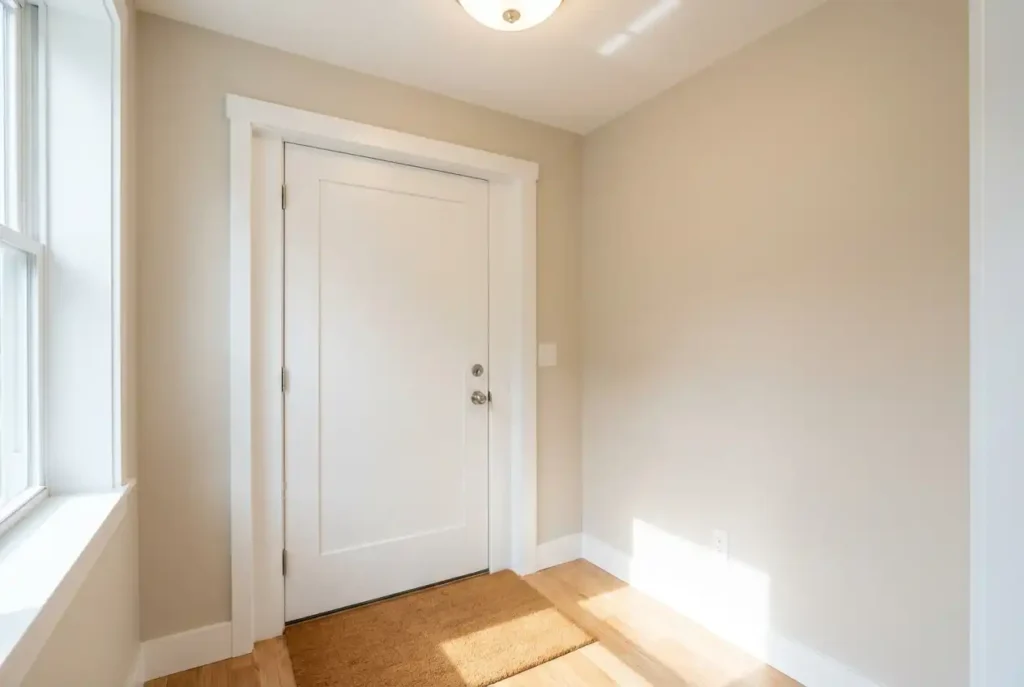
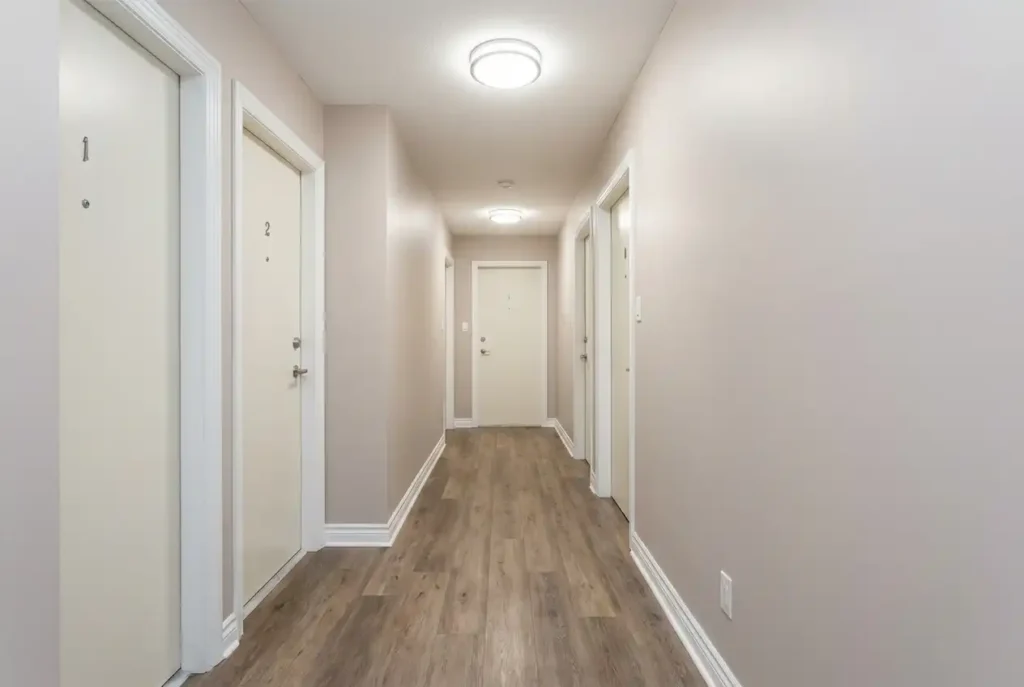
2. Repainting a Full Wall
When a touch-up will not create a uniform appearance, the next logical step is often a wall-plane repaint. That means painting the entire wall between natural breaks, usually corner to corner.
When to repaint a full wall
- One wall has numerous nail holes
- Furniture has rubbed heavily against one section
- Several patches are located on the same wall
- Previous touch-ups are visible
- One accent wall needs to return to the right color
- Damage is concentrated on one surface
It is often significantly more consistent than repeatedly trying to blend individual repairs. At the same time, it can cost considerably less than repainting the entire room.
3. Repainting a Room
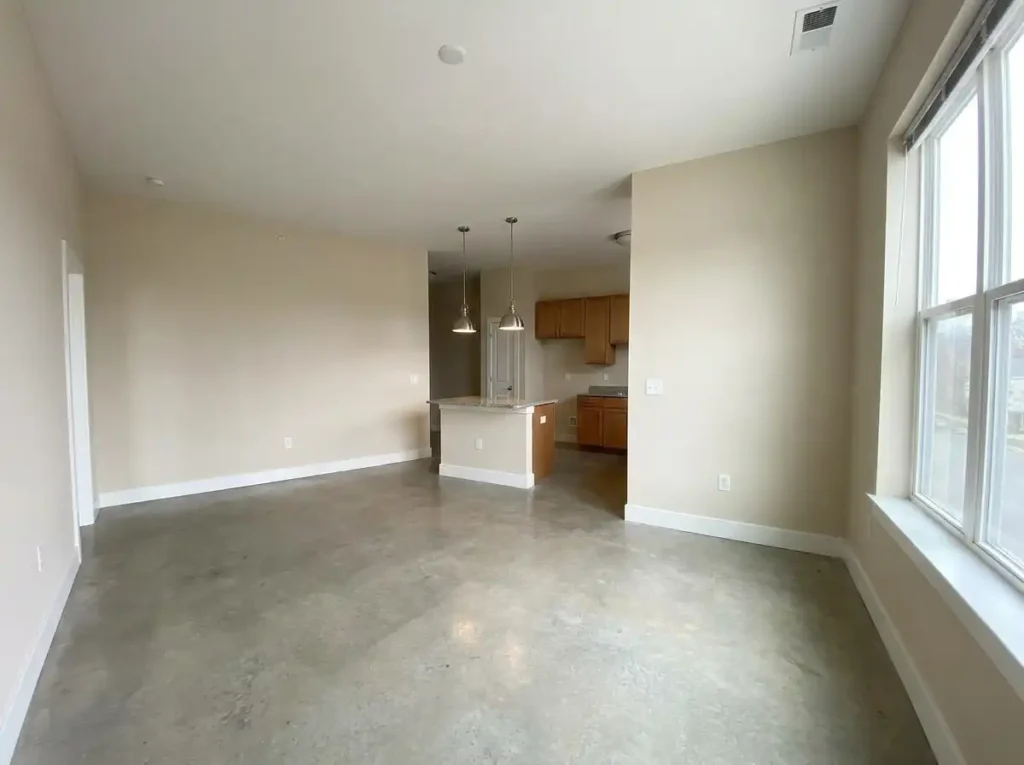
A room repaint becomes appropriate when problems extend beyond one wall.
Common examples include:
- Multiple damaged walls
- Several drywall repairs
- Tenant-applied colors
- Heavy scuffing throughout the room
- Inconsistent paint sheen
- Numerous previous touch-ups
- Significant fading or discoloration
Bedrooms are often good candidates for room-specific repainting because one bedroom may have experienced much more wear than the rest of the apartment.
The same can apply to living rooms, hallways, kitchens, or bathrooms. A problem in one room does not automatically mean the entire apartment needs a new coat of paint.
4. Full Apartment Repaint
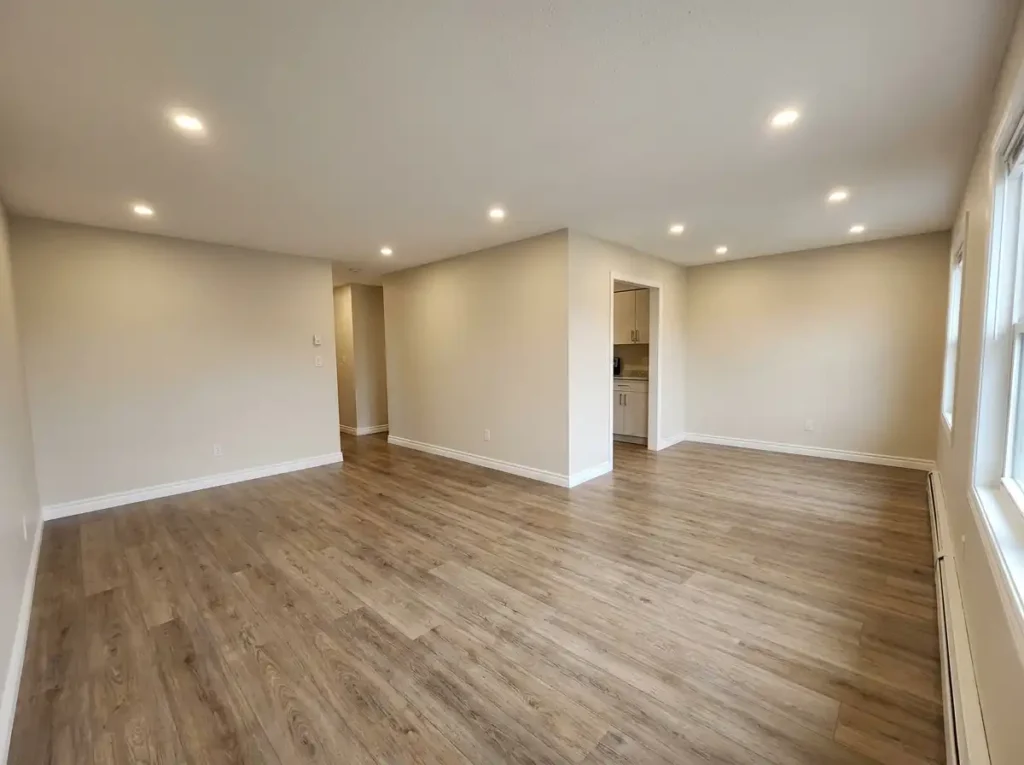
A complete repaint should generally be reserved for apartments where deterioration or inconsistency is widespread.
Common examples include:
- Heavy wear throughout the apartment
- Significant drywall repair
- Numerous previous touch-ups
- Strong color changes
- Smoke or nicotine staining
- Water staining
- Inconsistent previous coatings
- Peeling or adhesion failure
- Long-term accumulated wear
- Renovation or property repositioning
A full repaint creates the most uniform result, but it also requires the greatest amount of labor, material, preparation, and scheduling.
Start Every Apartment Turnover With an Inspection
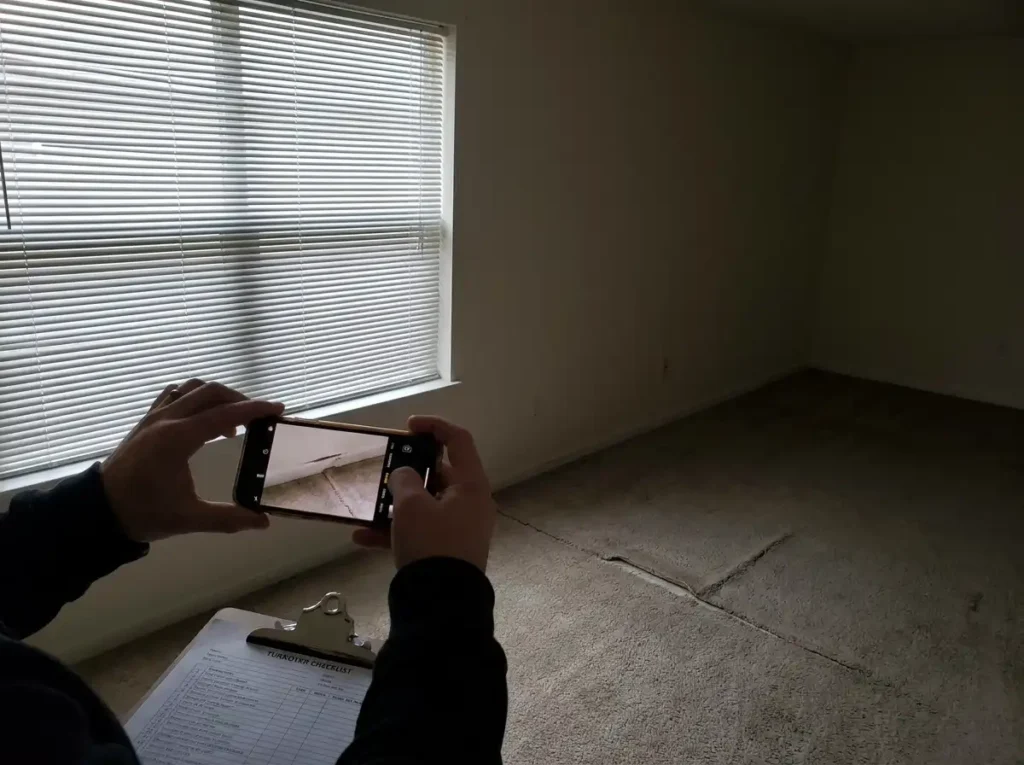
Painting should not begin with a work order that says: Paint Unit 205. The first step should be a structured inspection. An inspection gives management an opportunity to document the condition of the apartment before repairs or painting begin.
- Every wall
- Nail holes
- Anchor holes
- Drywall gouges
- Scratches
- Scuffs
- Stains
- Water damage
- Peeling
- Existing colors
- Ceilings
- Baseboards
- Doors
- Door frames
- Window trim
Document Everything
Taking pictures of each wall elevation provides a visual record of what existed before the turnover work started.
This can help with:
- Creating accurate work orders
- Comparing move-in and move-out conditions
- Documenting repairs
- Tracking recurring problems
- Reviewing contractor performance
- Supporting property records
Consistent documentation also makes it easier for different employees or vendors to reach similar scope decisions.
Clean the Walls Before Repainting Them
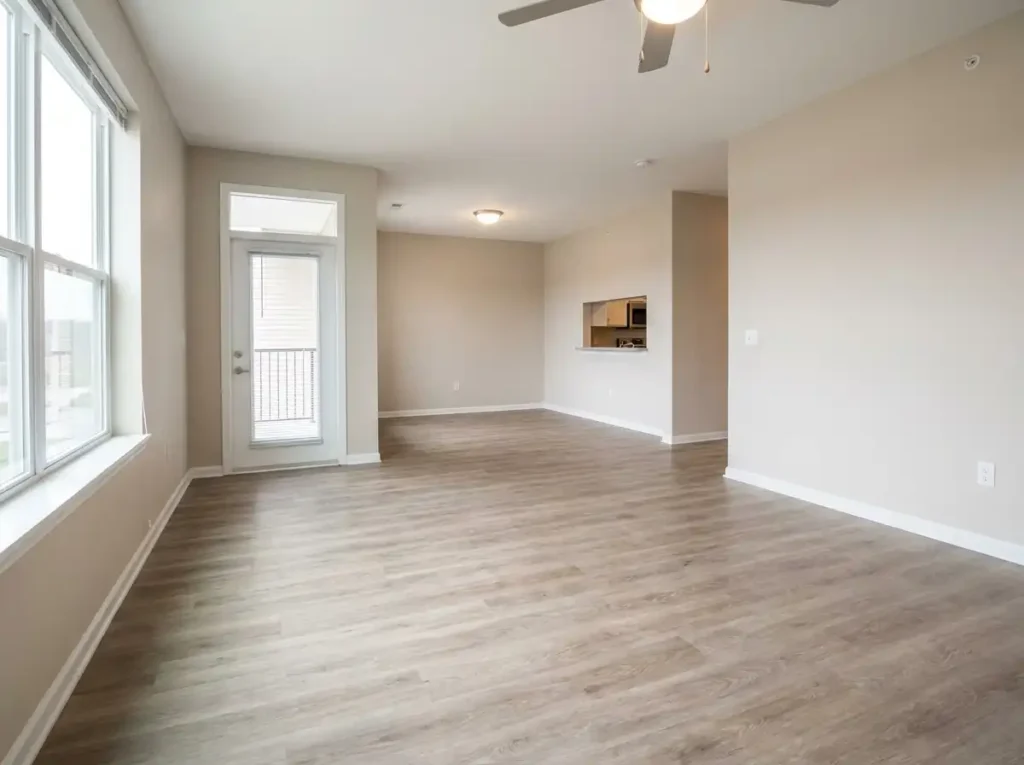
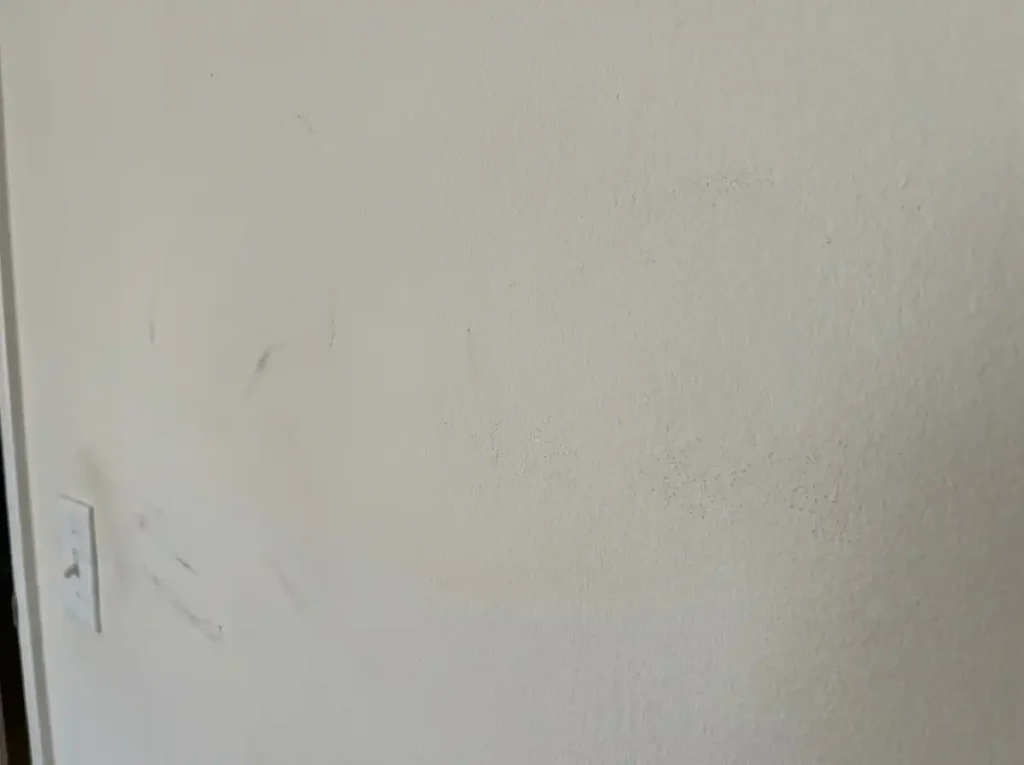
A wall that looks like it needs paint may simply need cleaning.
This is common in high-contact areas such as:
- Entryways
- Hallways
- Kitchens
- Around switches
- Behind furniture
- Children’s bedrooms
- Stairwells
- Dining areas
When appropriate for the existing coating, clean the wall first and inspect it again. That can change the recommended scope.
- A room initially scheduled for a repaint may only need one wall.
- A wall initially scheduled for repainting may only need a few touch-ups.
- A wall scheduled for touch-up may not need paint at all.
Across a large apartment portfolio, eliminating unnecessary painting from even a small percentage of units can reduce labor, materials, and turnover costs.
Surface Preparation Is An Absolute Must
Apartment turnovers frequently operate under tight deadlines. That creates pressure to start painting as quickly as possible. But the quality of the finished coating depends heavily on what happens before the roller touches the wall.
“A lot of the difference between an average paint job and a professional one happens before the wall ever gets painted,” says Morgenstern. “If repairs are rushed or the surface is not prepared correctly, you are going to see it when the job is finished.”
For normal repaints, a consistent preparation process should include cleaning, evaluating the existing coating, patching, filling, caulking where appropriate, sanding, and spot priming where required.
Apartment Turnover Painting Preparation Process
- Photographing and documenting existing conditions
- Protecting floors, fixtures, countertops, appliances, and finished surfaces
- Cleaning dust, oils, grease, and contamination
- Removing loose or failing coatings where appropriate
- Filling nail holes, anchor holes, dents, and drywall damage
- Allowing repairs to dry
- Sanding and feathering repaired areas
- Repairing appropriate trim or wall gaps with paintable caulk
- Removing sanding dust
- Spot-priming patches, exposed substrate, or stains
- Applying the specified finish coating
- Completing a final inspection
- Correcting punch-list items
Apartments Built Before 1978
Older rental properties require additional planning before painted surfaces are disturbed. Federal lead-safe requirements may apply to renovation, repair, and painting work in covered pre-1978 housing.
Activities such as:
- Sanding
- Scraping
- Removing painted materials
- Cutting into walls
- Drywall repair
- Demolition
can trigger specific procedures depending on the project and applicable thresholds. When those requirements apply, the work may involve:
- Certified firms
- Certified renovators
- Containment
- Lead-safe work practices
- Cleaning procedures
- Verification
- Required documentation
- Pre-renovation education
Property managers should determine the construction year and applicable lead status before crews begin disturbing painted surfaces. Federal rules may also be supplemented by state, local, or program-specific requirements.
Best Paint Finish for Rental Apartments
Paint sheen affects far more than appearance. It also affects:
- Washability
- Scrub resistance
- Touch-up performance
- Light reflection
- Maintenance requirements
- How visible drywall imperfections appear
A standardized finish strategy can make apartment maintenance easier across a portfolio.
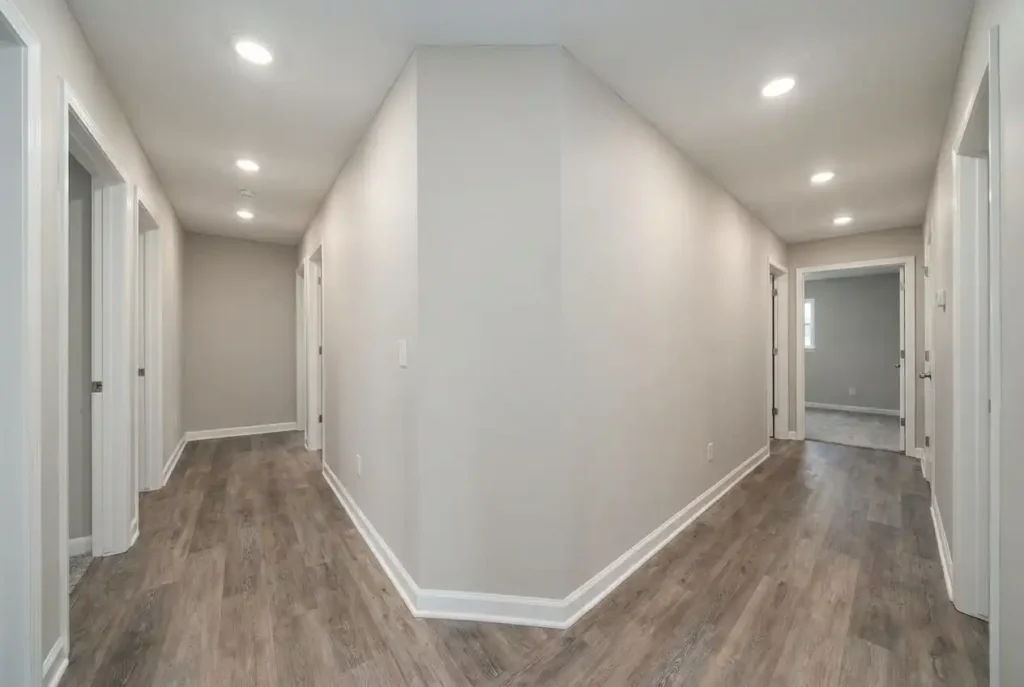

Kitchens and Bathrooms
Kitchens and bathrooms benefit from a durable, washable finish such as eggshell or satin. These areas see more moisture, splashes, and cleaning, so the coating should hold up well to regular maintenance.

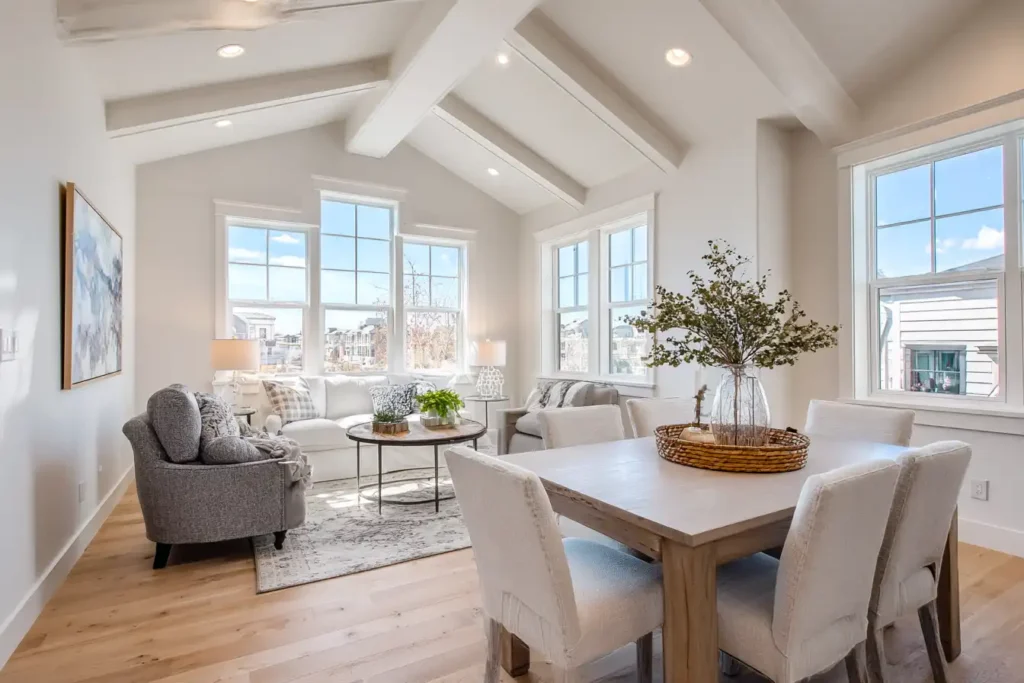
Living Rooms and Bedrooms
Eggshell or another washable low-sheen finish is a practical choice for living rooms and bedrooms. It offers good durability, easier cleaning, and a softer appearance that helps keep minor wall imperfections less noticeable.
Ceilings
Flat paint is typically a good choice for ceilings because it reduces glare and helps hide minor surface imperfections. If the ceiling is still clean and uniform, it may not need repainting during every turnover.
Doors, Baseboards, and Trim
Doors, baseboards, and trim usually need a harder, more washable finish such as semi-gloss. These surfaces receive more direct contact, so added durability helps them stay cleaner and hold up longer.
Standardizing Paint Across a Rental Portfolio
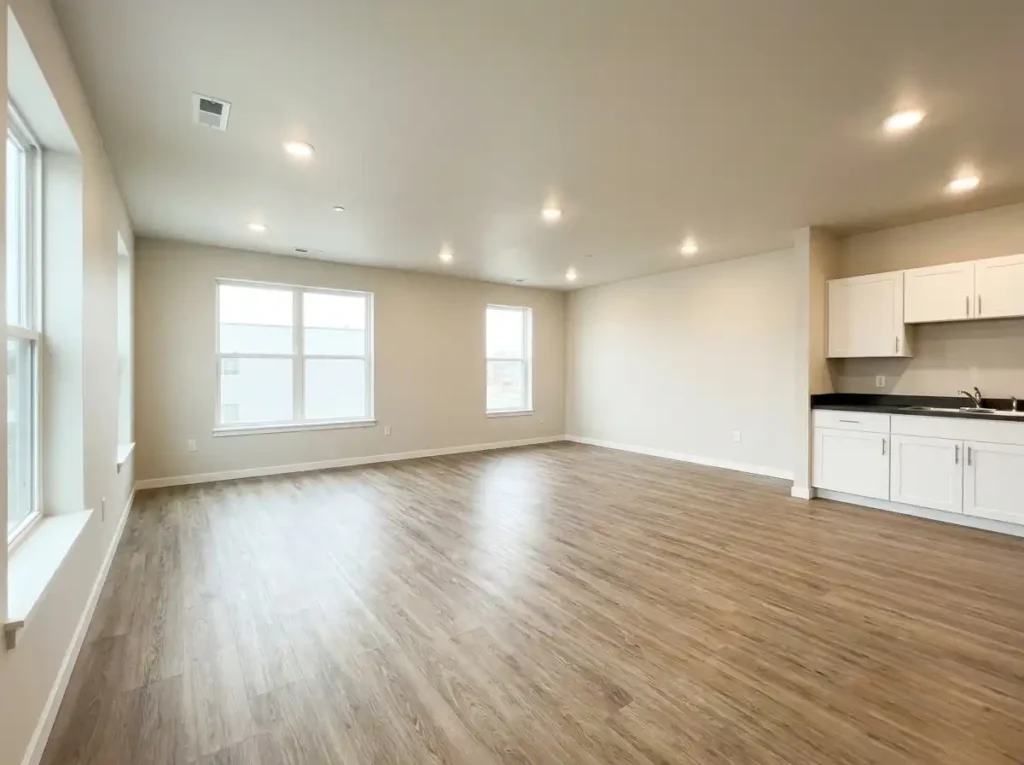
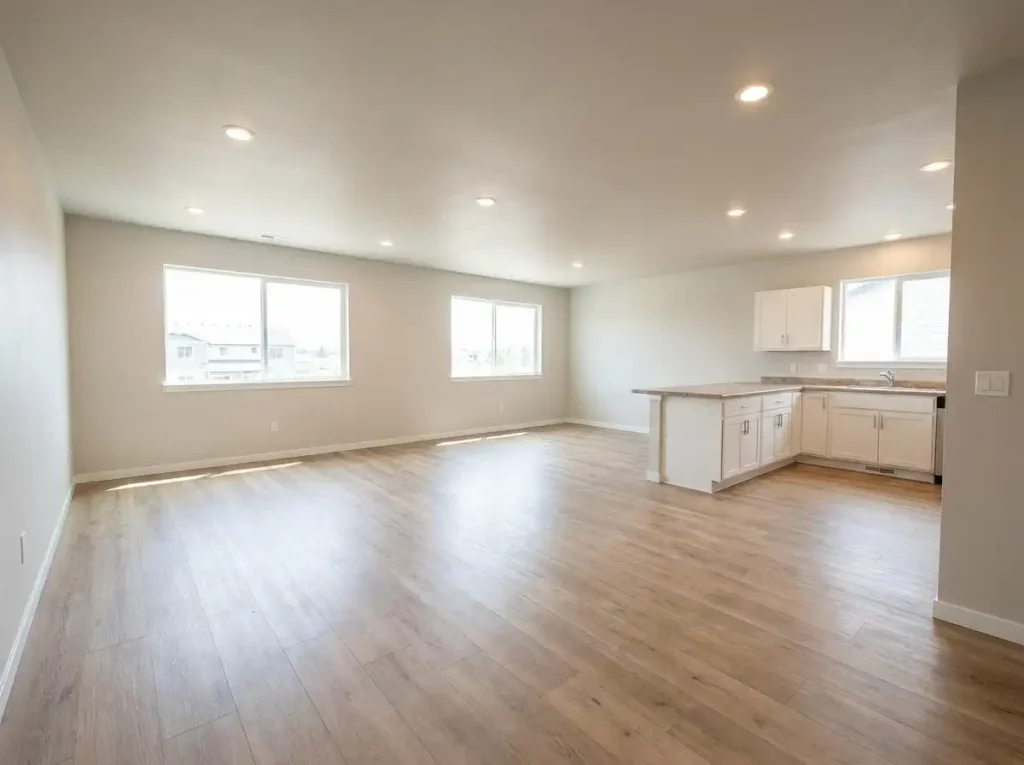
A standardized portfolio might use:
- One primary neutral wall color
- One ceiling white
- One trim and door white
- A limited number of approved accent colors
“Consistency is huge for property managers,” says Morgenstern. “When the color, product, and sheen are documented, everything gets easier. Ordering is easier, touch-ups are easier, and there is less guessing when the next turnover comes around.”
Easier Touch-Ups
Maintenance staff can quickly identify the coating needed for a repair.
Simpler Inventory
Instead of storing dozens of partially used colors, properties can maintain a smaller selection of commonly used paint.
Easier Purchasing
Standardization simplifies material forecasting and professional account ordering.
Fewer Matching Problems
If a label disappears several years later, management can still identify the coating from property records.
Faster Contractor Mobilization
Painting contractors do not need to determine a new color specification every time an apartment becomes vacant.
Should Apartment Properties Use Low- or Zero-VOC Paint?
Low-and zero-VOC professional coatings can be useful in multifamily environments. Potential advantages can include:
- Lower odor
- Greater suitability for quick turnovers
- Less disruption in occupied environments
- Improved comfort during application
A coating marketed as zero VOC should also not automatically be interpreted as producing literally zero post-application emissions in every situation. Product documentation and ventilation remain important.
For occupied painting, downtime, access, ventilation, resident belongings, and occupant sensitivities should also be part of the project plan.
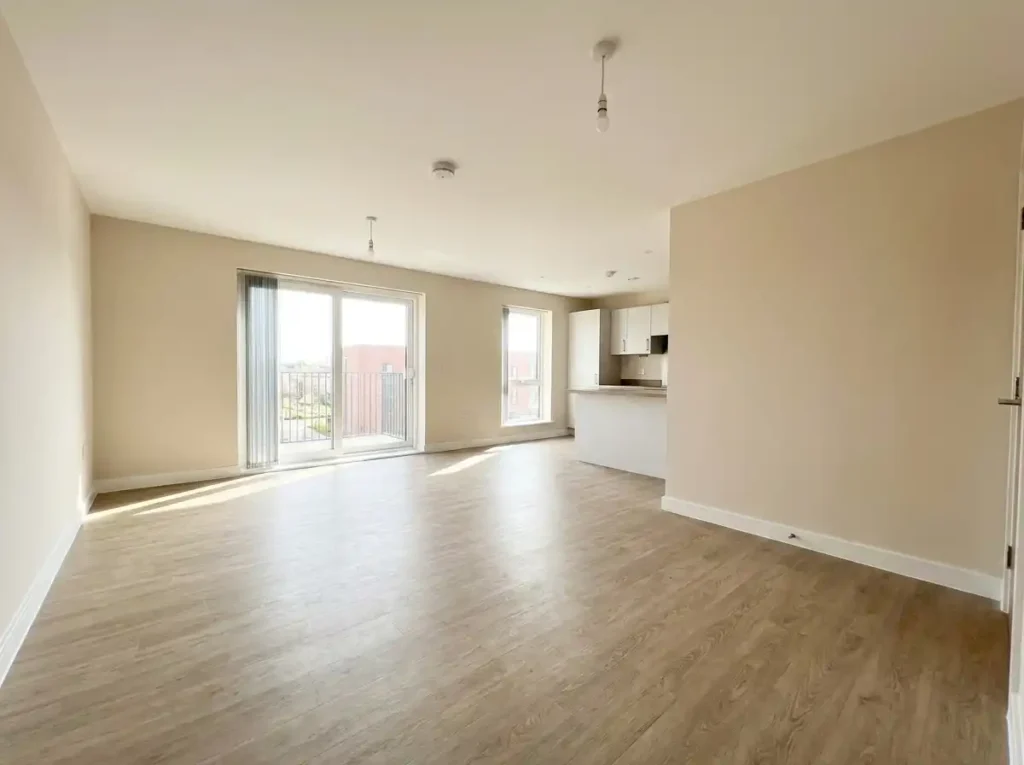
When Does an Apartment Need Primer?
Primer should be condition-driven, not automatically applied to every previously painted wall. Applying unnecessary primer adds material and labor. Failing to prime where it is needed can lead to:
- Staining
- Flashing
- Poor adhesion
- Inconsistent coverage
- Additional finish coats
Drywall Repairs
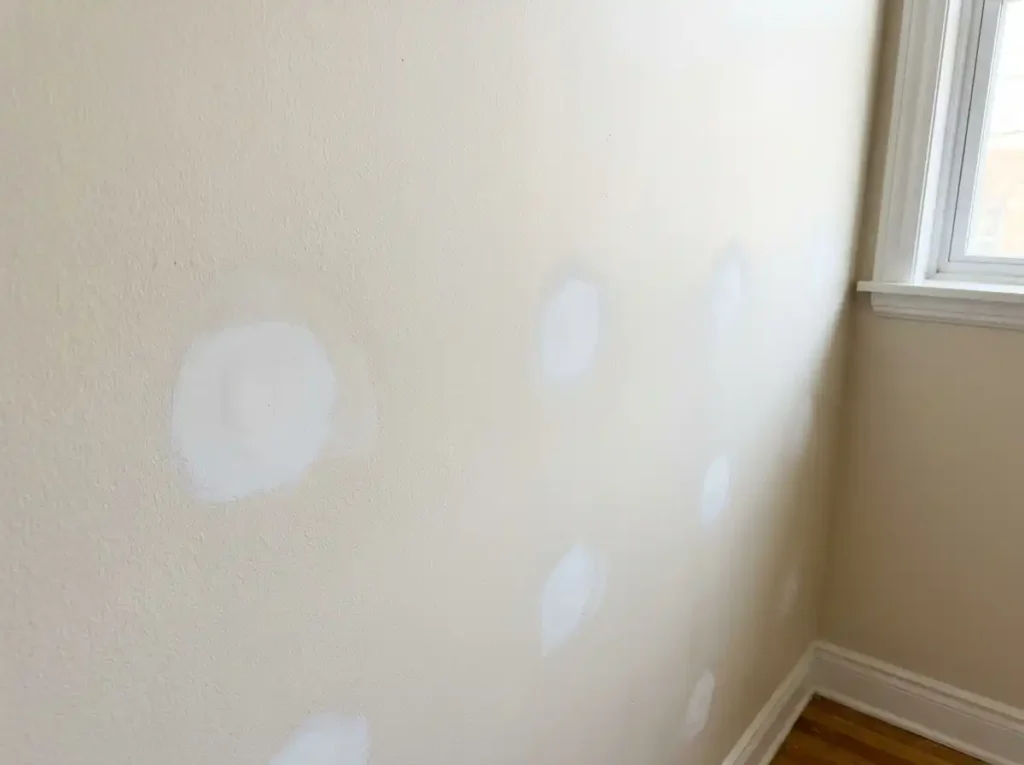
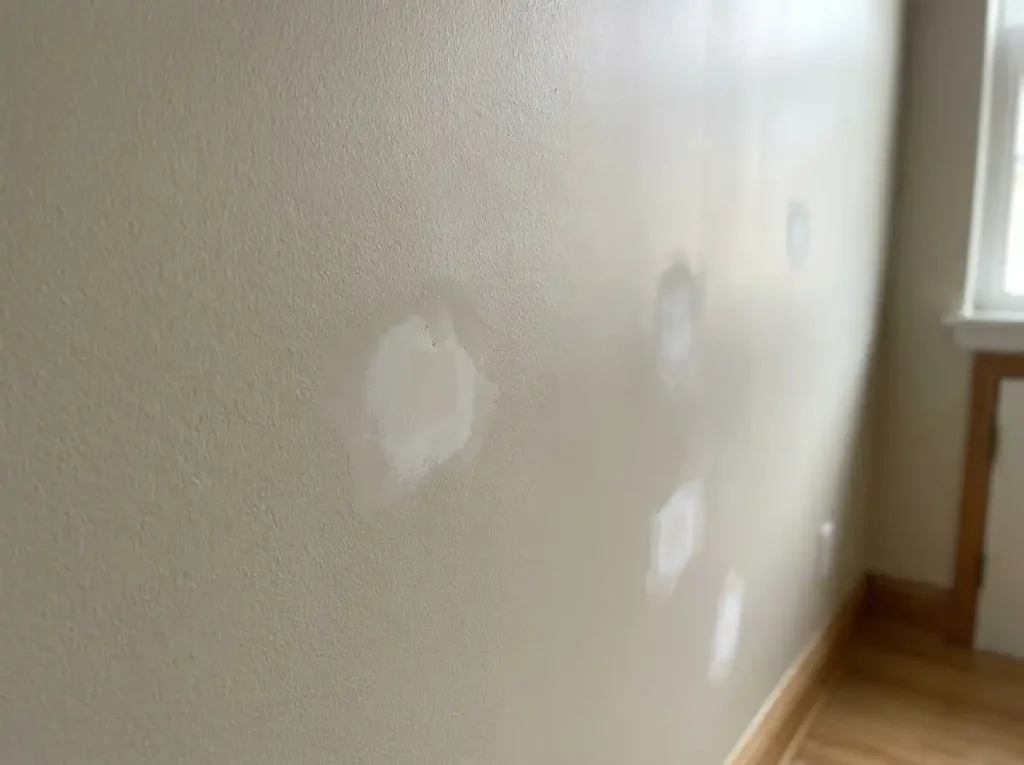
Small drywall patches are commonly spot-primed so repaired areas do not absorb the finish paint differently from the surrounding wall.
Large Areas of New Drywall
New drywall generally requires an appropriate primer or sealer.
Strong Color Changes
Moving from a dark or saturated color to a lighter neutral may justify a high-hide or tinted primer when it reduces the number of finish coats.
Water, Smoke, or Difficult Stains
After the source of the problem has been corrected and the surface has been properly cleaned, a compatible stain-blocking primer may be appropriate.
Glossy or Questionable Existing Finishes
Certain surfaces may require additional preparation or a bonding primer.
Bare Wood or Metal
Bare substrates require coating systems appropriate to the material.
How Long Does Apartment Turnover Painting Take?
Apartment painting schedules should distinguish between painter-hours and calendar time.
Two painters working for eight hours each represent 16 painter-hours, but only one scheduled workday. At the same time, a project containing 16 painter-hours may not necessarily finish in one day.
Crews may need to wait for:
- Patches to dry
- Primer to dry
- Recoat windows
- Other trades
- Repairs
- HVAC conditions
- Required inspections
|
Scope
|
Estimated Hours
|
Typical Working Window
|
|---|---|---|
|
Light Touch-Up
|
6 to 10
|
Roughly 1 day
|
|
Standard 2BR Repaint
|
22 to 30
|
Roughly 1.5 to 2 days
|
|
Heavy Repaint
|
45 to 60
|
Roughly 2 to 3+ days
|
These are planning examples, not guaranteed production rates. Actual painting time can vary based on the floor plan, wall geometry, ceiling height, number of closets and doors, preparation needs, drywall repairs, number of coats, color contrast, wall texture, application method, dry and recoat times, and the size of the painting crew.
Why Floor Area Alone Is a Poor Paint Estimator
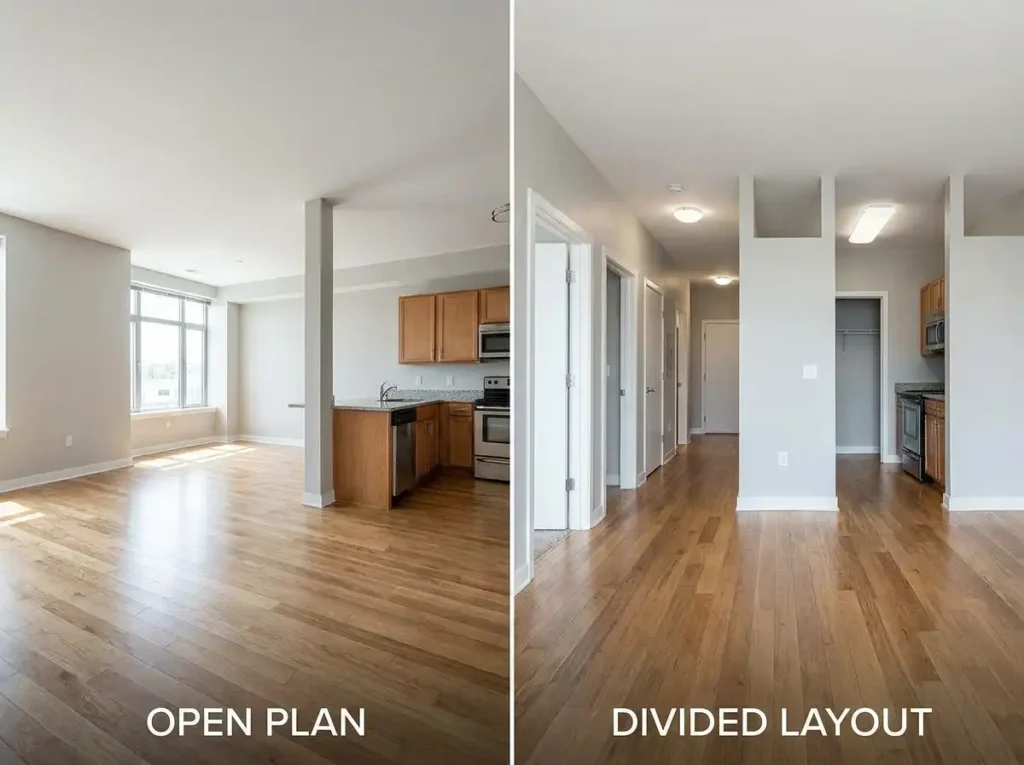
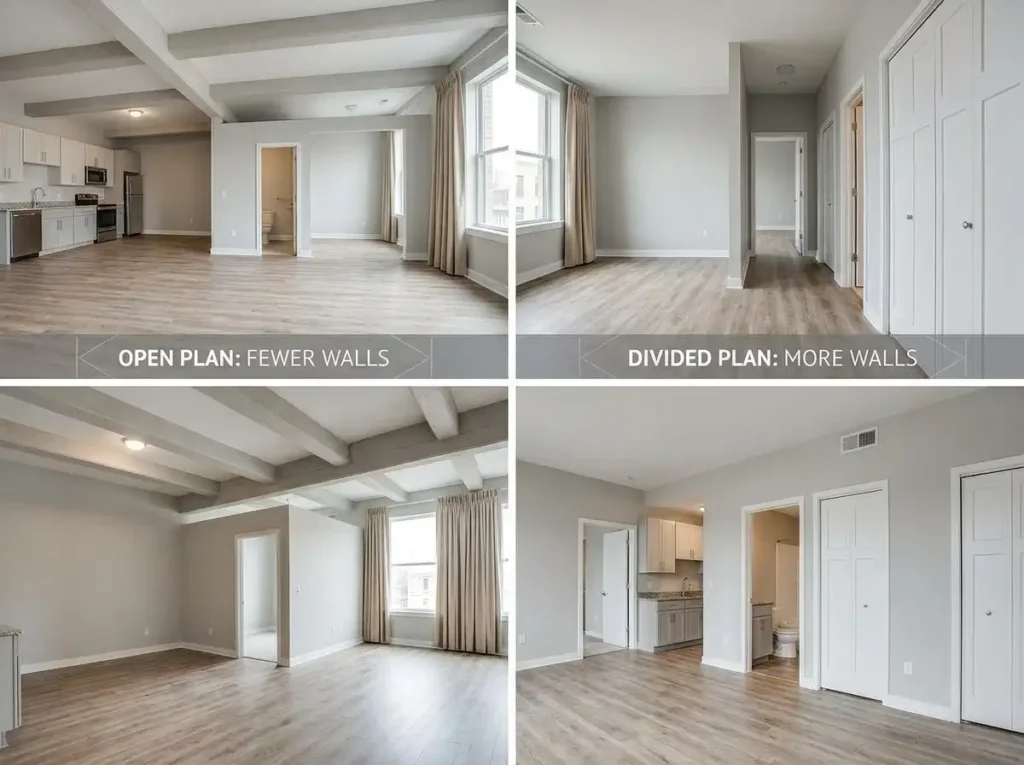
Two apartments can each contain 1,000 square feet of floor area and still require very different amounts of paint and labor.
Differences can include:
- Number of bedrooms
- Hallway length
- Closets
- Ceiling height
- Door count
- Cabinet layout
- Window area
- Open versus divided floor plans
- Architectural details
For more accurate estimating, properties should track paintable wall area whenever practical.
A basic material estimate uses: Paintable surface area × number of coats ÷ manufacturer coverage rate
Actual coverage can decrease on:
- Porous drywall repairs
- Textured walls
- Strong color changes
- Rough surfaces
- Heavily repaired areas
Vacancy Time Should Be Included in the Cost of Painting
The cost of apartment painting is not limited to the painter’s invoice. If painting unnecessarily delays a rent-ready apartment, the property may also lose rental revenue.
At the same time, this does not mean that a larger repaint scope automatically pays for itself.
If a property can successfully touch up a unit for $500 but instead chooses a $2,285 repaint, the incremental cost is: $,1785. At hypothetical rent of $2,000 per month, gross scheduled rent works out to approximately: $66.67 per day.
The larger repaint would therefore need to provide substantial additional value before vacancy reduction alone justified the difference. That additional value could potentially come from:
- Faster leasing
- Fewer callbacks
- Longer repaint intervals
- Better positioning
- Reduced maintenance
- Resident retention
But those benefits should be measured rather than assumed. The takeaway is not that property managers should avoid full repaints. It is that the repaint scope should have an operational reason behind it.
Typical Apartment Turnover Painting Timeline
Every property will have a different turnover schedule, but a medium apartment repaint might follow a process similar to this. A predictable process allows management, maintenance, vendors, cleaners, flooring contractors, and leasing teams to coordinate more effectively.
Before Move-Out
- Confirm expected vacancy
- Review paint records
- Confirm construction year
- Determine whether special compliance issues may apply
- Reserve crew capacity
- Confirm standard colors and products
Move-Out Day
- Photograph each room
- Inspect walls, ceilings, trim, and doors
- Identify damage
- Determine scope
- Create the final painting work order
Day 1
- Protect floors and fixtures
- Clean surfaces
- Remove loose material where appropriate
- Patch drywall
- Repair minor caulk defects
- Allow repairs to dry
- Sand
- Remove dust
- Spot-prime
- Begin coating where possible
Day 2
- Complete wall coatings
- Paint ceilings, doors, and trim as scoped
- Remove masking
- Clean work areas
- Conduct initial QC
- Complete punch-list corrections
Day 3 (If RequireD)
- Conduct final inspection under finished lighting
- Photograph completed work
- Record paint specifications
- Label and return reusable material
- Close work order
- Release the apartment to the next turnover phase
How to Inspect Apartment Painting Before Releasing
Quality control should be consistent enough that property managers, maintenance teams, and contractors understand what constitutes acceptable work. The finished apartment should be evaluated under its normal lighting and from normal viewing positions.
- Uniform color
- Proper coverage
- Consistent sheen
- Smooth repairs
- Acceptable touch-ups
- Clean cut lines
- Missed areas
- Runs, sags and drips
- Heavy roller marks
- Paint debris
- Splatter
- Paint on floors
- Paint on hardware
- Paint on fixtures
- Door and trim finish
- Complete cleanup
Painting Metrics Property Managers Should Track
Track total paint-related cost divided by completed apartment turns. Break this down by:
- Property
- Bedroom count
- Painting scope
- Contractor
- Damage class
Painter-Hours Per Unit
Tracking labor hours helps identify realistic production standards. It can also reveal properties or unit types that consistently require more labor than expected.
Paint Gallons Per Unit
Recording actual gallons improves future purchasing forecasts and reduces over-ordering.
First-Pass Quality
Track the percentage of apartments that pass the first quality inspection without requiring a callback. A high correction rate may point to issues with:
- Preparation
- Scope definition
- Training
- Product selection
- Contractor performance
- Inspection standards
- Callback Cost
A callback can include more than a few minutes of touch-up labor. It may involve:
- Painter travel
- Setup
- Materials
- Management time
- Scheduling
- Delayed turnover
- Repaint Frequency
This becomes particularly useful when comparing coating systems. If a more durable product costs more initially but measurably extends repaint intervals or reduces touch-up visits, the additional material cost may be justified. Without tracking repaint frequency, that value is difficult to measure.
Repaint Frequency
This becomes particularly useful when comparing coating systems. If a more durable product costs more initially but measurably extends repaint intervals or reduces touch-up visits, the additional material cost may be justified. Without tracking repaint frequency, that value is difficult to measure.
How To Reduce Apartment Painting Costs
Reducing turnover costs does not necessarily mean purchasing cheaper paint or asking painters to move faster. Often, the biggest savings come from making better scope and process decisions.
Inspect Every Vacancy
Do not automatically authorize a complete repaint.
Clean Before Repainting
Determine whether marks can be removed.
Use Touch-Ups Strategically
Touch up only when the existing coating is likely to match successfully.
Paint to Natural Breaks
When touch-ups remain visible, repaint the wall instead of repeatedly enlarging the repair.
Standardize Colors
Reduce unnecessary inventory and matching problems.
Standardize Products
Consistency simplifies maintenance and purchasing.
Record Paint Specifications
Do not rely on future crews to visually guess colors.
Track Labor
Painter-hours are often more valuable than generic cost-per-square-foot estimates.
Track Material Usage
Actual gallon consumption improves future purchasing.
Resolve Moisture Problems First
Avoid painting the same water damage repeatedly.
Use Clear Contractor Specifications
Make proposals directly comparable.
Inspect Before Releasing the Apartment
Correcting problems while the crew is still onsite is easier than scheduling a return visit.
Avoid Unnecessary Painting to Reduce Waste
The most effective way to reduce painting-related waste is often to avoid unnecessary repainting. A successful cleaning or touch-up uses fewer:
- Gallons of paint
- Rollers
- Liners
- Tape
- Plastic
- Fuel
- Labor hours
Standardization can also reduce material waste. Property managers can:
- Measure paintable areas rather than ordering solely from floor area
- Use a standardized color palette
- Properly label leftover paint
- Rotate older inventory first
- Keep containers sealed
- Consolidate purchasing
- Record gallons used
- Limit unnecessary accent colors
- Use applicable paint-recycling programs
The goal should be to purchase what is actually needed and preserve usable materials for future turns.
Professional Apartment and Multifamily Painting in Northern Colorado
Apartment and multifamily painting requires a contractor who understands tight turnover schedules, consistent finishes, changing unit conditions, and the need to keep properties moving. MGM Painting Co. proudly serves Fort Collins, Loveland, Windsor, Timnath, Greeley, Wellington, and Johnstown with professional apartment, multifamily, and commercial painting services.
MGM Painting Co. works with property managers, apartment communities, and rental property owners on unit turnovers, full-unit repaints, common areas, hallways, doors, trim, and larger multifamily painting projects. Our team is backed by detailed preparation, quality craftsmanship, clear communication, a 5-star Google rating, and A+ accreditation with the Better Business Bureau (BBB).
Contact MGM Painting Co. today to schedule an estimate for your next apartment turnover, multifamily repaint, or larger property painting project.