Quick Summary
- South-facing rooms get warm, steady light most of the day, which brightens whites and intensifies warm undertones and bold colors.
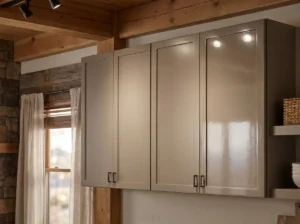
- Balanced neutrals like greige and light mushroom, or cool tones like soft blue-gray and muted sage, keep a sunny room from feeling too warm.
- Warm colors can still work if they stay soft and controlled, such as light taupe, warm off-white, or soft sand.
- Skip saturated yellows and oranges, creamy whites, and very bold reds, and use eggshell on walls, satin in busy areas, and flat on ceilings.
South-facing rooms are often considered the easiest spaces to paint because they receive consistent, warm natural light throughout the day. However, that abundance of light can also intensify undertones and make certain colors appear brighter or more saturated than expected.
Choosing the right paint colors for south facing rooms requires understanding how strong daylight affects warmth, contrast, and depth. At MGM Painting Co, we help homeowners throughout Fort Collins select colors that balance natural sunlight without overwhelming the space. If you’re planning an interior project, our Interior Painting Guide for Colorado Homeowners is a great place to start.
Free Professional Color Consultation
Get expert advice and guidance from a professional interior designer when you choose MGM as your painting contractor. Give us a call today to learn more about our FREE professional color consultation services.
How South-Facing Light Affects Paint Color
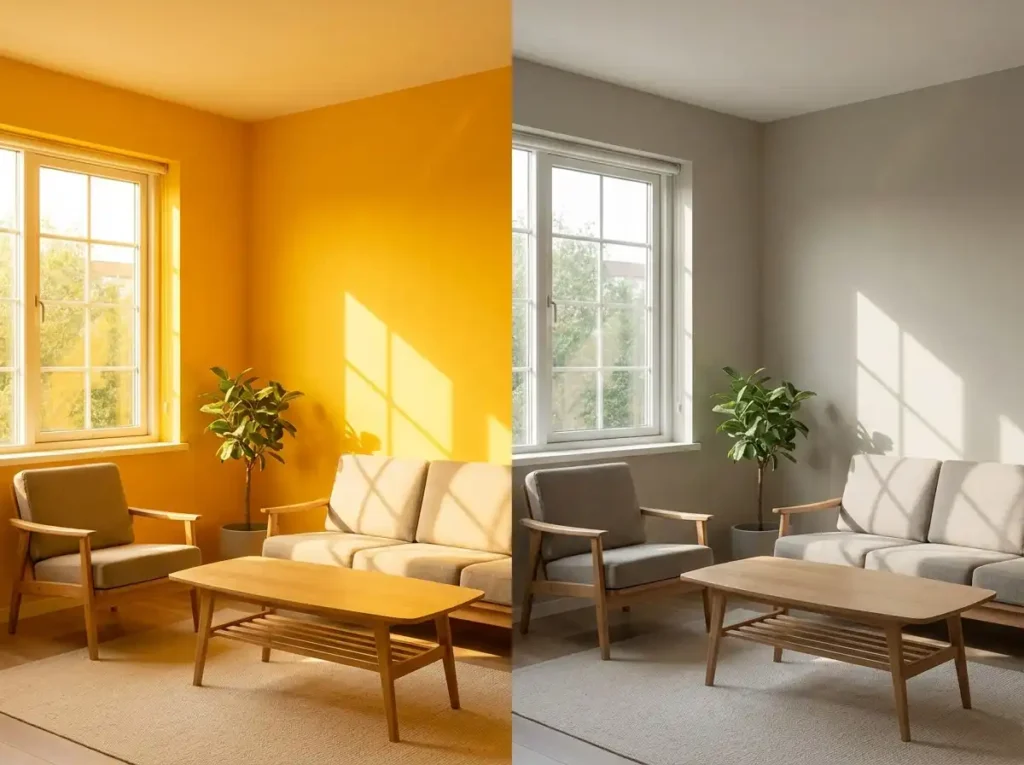
South-facing rooms receive warm, golden light for most of the day. While this lighting is flattering, it can also exaggerate warmth if the wrong paint color is selected. This type of lighting can:
- Enhance yellow and warm undertones
- Make beige tones appear warmer
- Brighten whites significantly
- Increase the intensity of bold colors
Painting Pro Tip
With south-facing rooms, I always remind homeowners that a paint chip looks darker and duller on the store rack than it will on their wall. All that steady sun lifts the color and pulls out its undertone. When someone is torn between two shades, I usually suggest the slightly deeper or more muted one, because the light will brighten it.
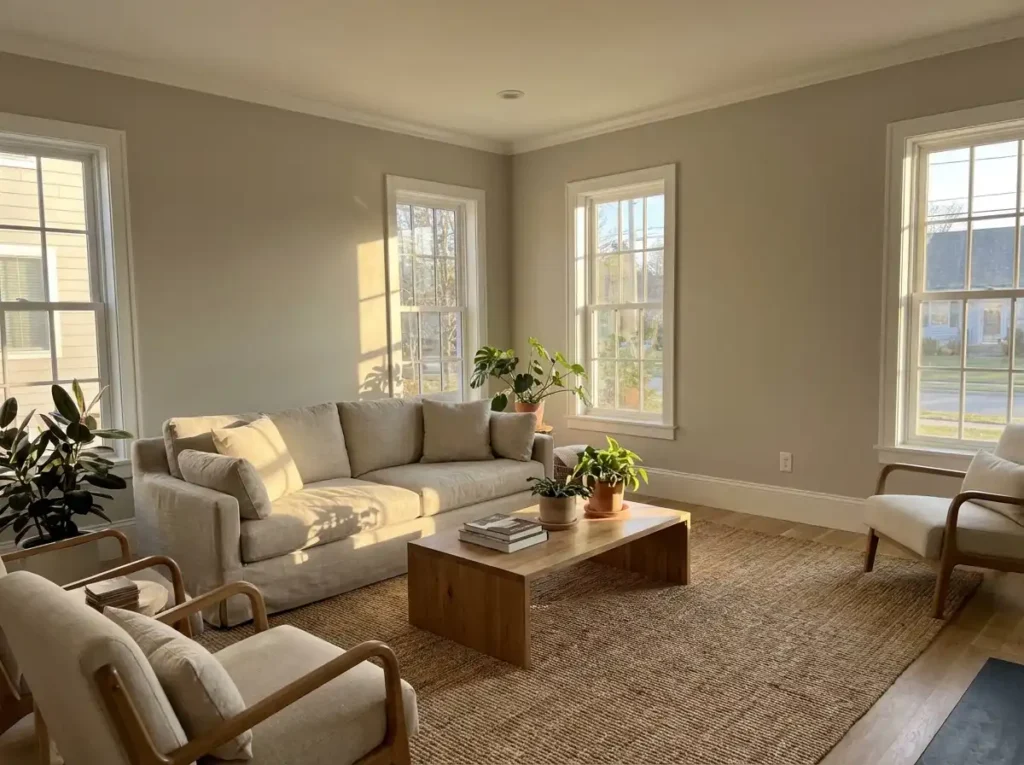
Neutral Paint Colors
Balanced neutrals help prevent the space from feeling overly warm while still taking advantage of natural brightness.
- Balanced Greige: Keeps warmth in check without flatness.
- Light Mushroom: Neutral with subtle depth.
- Subtle Warm Gray: Adds contrast without heaviness.
Balanced Greige
Light Mushroom
Subtle Warm Gray
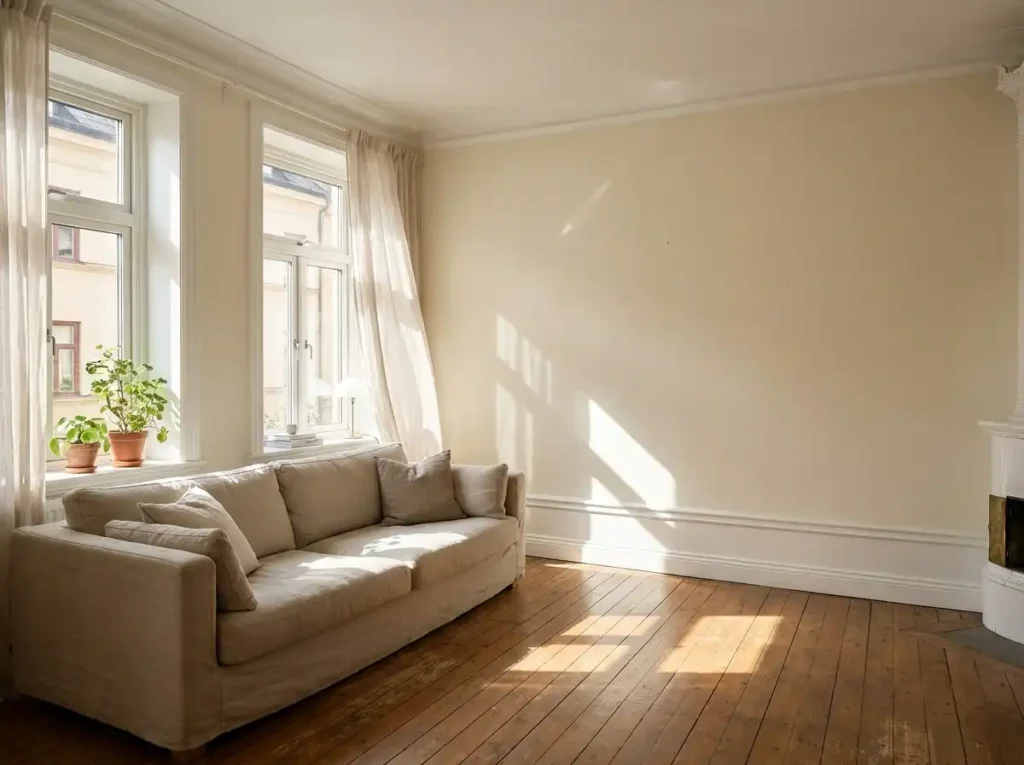
Cool-Toned Colors
Because the room already receives warmth from the sun, cooler tones can create a refreshing balance.
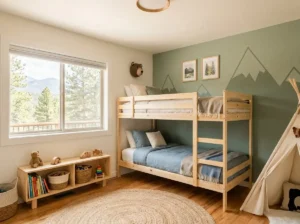
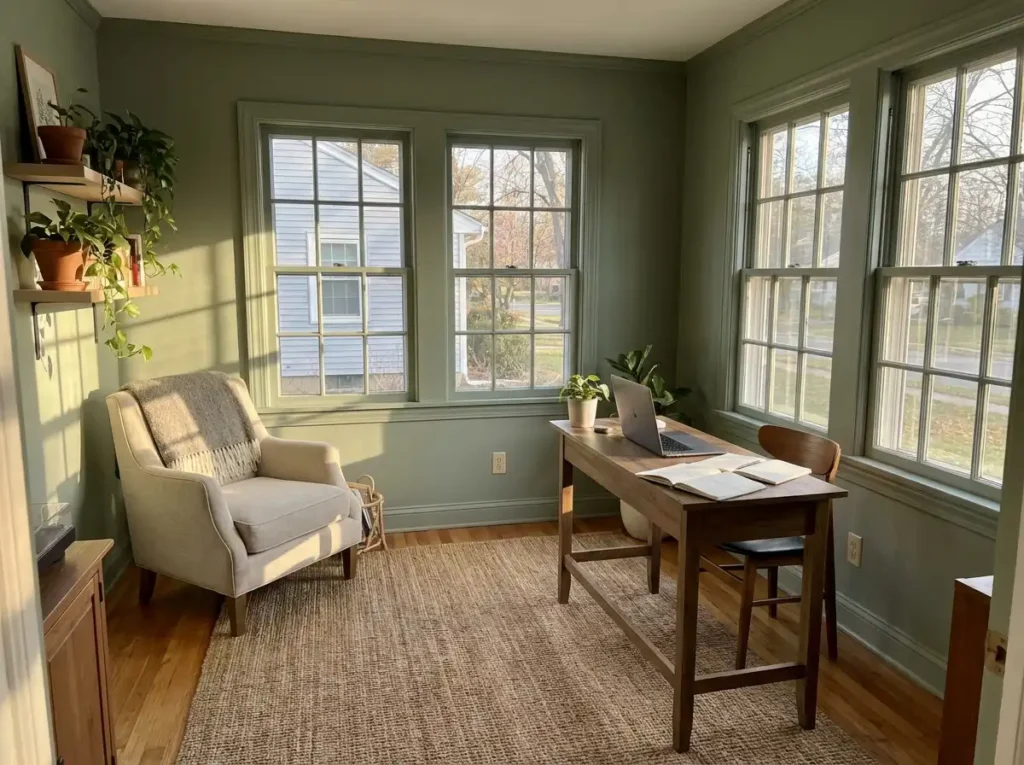
- Soft Blue-Gray: Calming without feeling cold.
- Muted Sage: Balanced and natural.
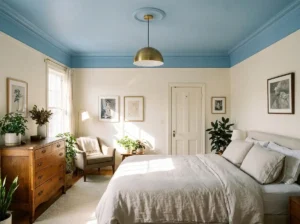
- Light Dusty Blue: Subtle contrast that feels airy.
Painting Pro Tip
If you like cool colors, a south-facing room is the best place to use them. The constant warm light takes the chill off a blue-gray or sage, so it reads fresh instead of cold. I tell people to pick a cool color with a touch of gray in it, since a clean, bright blue can still look intense in full sun.
Soft Blue-Gray
Muted Sage
Light Dusty Blue
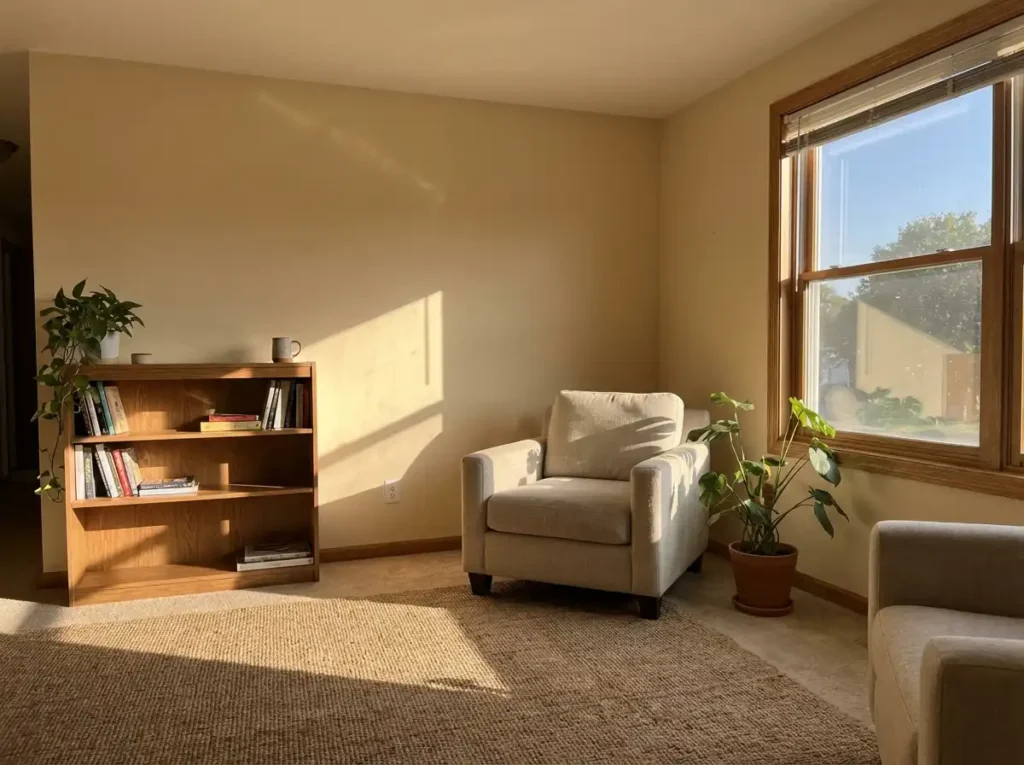
Warm Colors
Warm paint colors can look beautiful in south-facing rooms, but they should be chosen thoughtfully to avoid oversaturation.
- Light Taupe: Soft warmth that remains controlled.
- Warm Off-White: Bright and welcoming.
- Soft Sand: Neutral with gentle warmth.
Light Taupe
Warm Off-White
Soft Sand
Colors to Avoid in South-Rooms
Because of strong natural light, some colors can become overwhelming.
- Highly saturated yellows or oranges
- Overly creamy whites that appear too warm
- Very bold reds that intensify in sunlight
- Dark colors that create harsh contrast
Painting Pro Tip
On most jobs with a sunny south room, the white is where people get surprised. A creamy white that looked soft on the sample card can turn noticeably yellow on the ceiling and trim. I usually point clients toward a balanced white with very little yellow in it, so the warmth comes from the sunlight and not the paint.
Testing Paint Colors
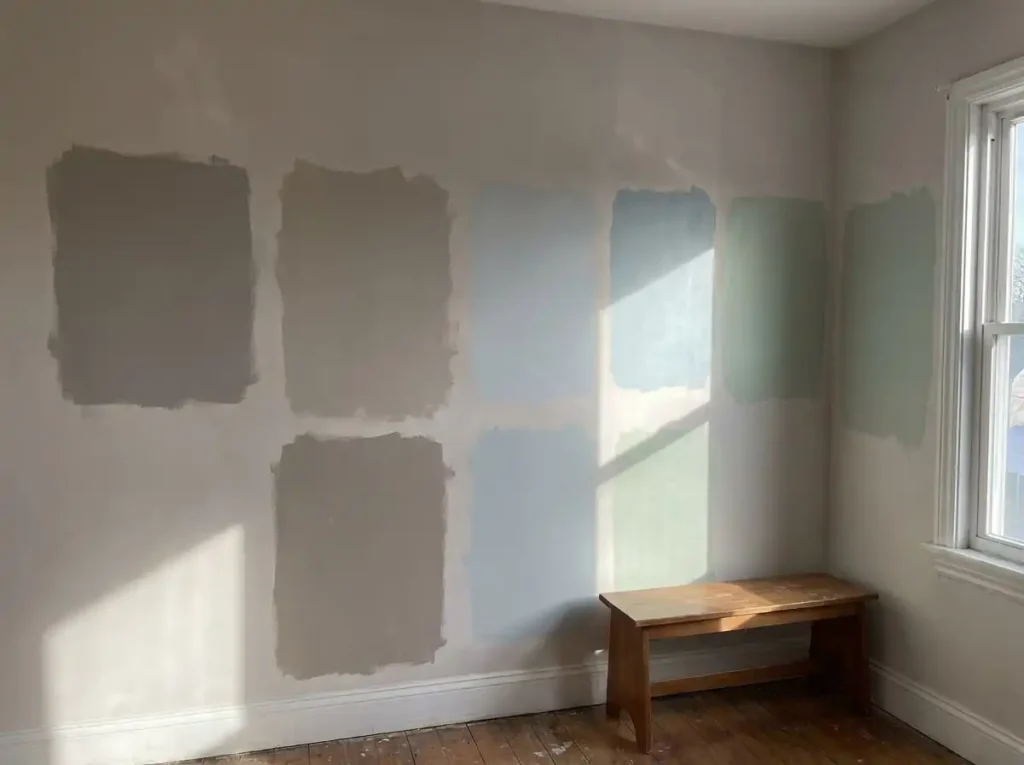
Always test large samples on multiple walls. Observe how the color shifts from morning to afternoon. South-facing rooms change significantly throughout the day, and undertones may become stronger as sunlight increases.
Testing prevents selecting a color that feels too warm once fully applied.
Choosing the Right Finish
Bright natural light reflects more strongly off paint finishes.- Eggshell: Ideal for main living areas.
- Satin: Works well in kitchens or high-traffic areas.
- Flat: Best reserved for ceilings.
South-Facing Rooms and the Colorado Sun
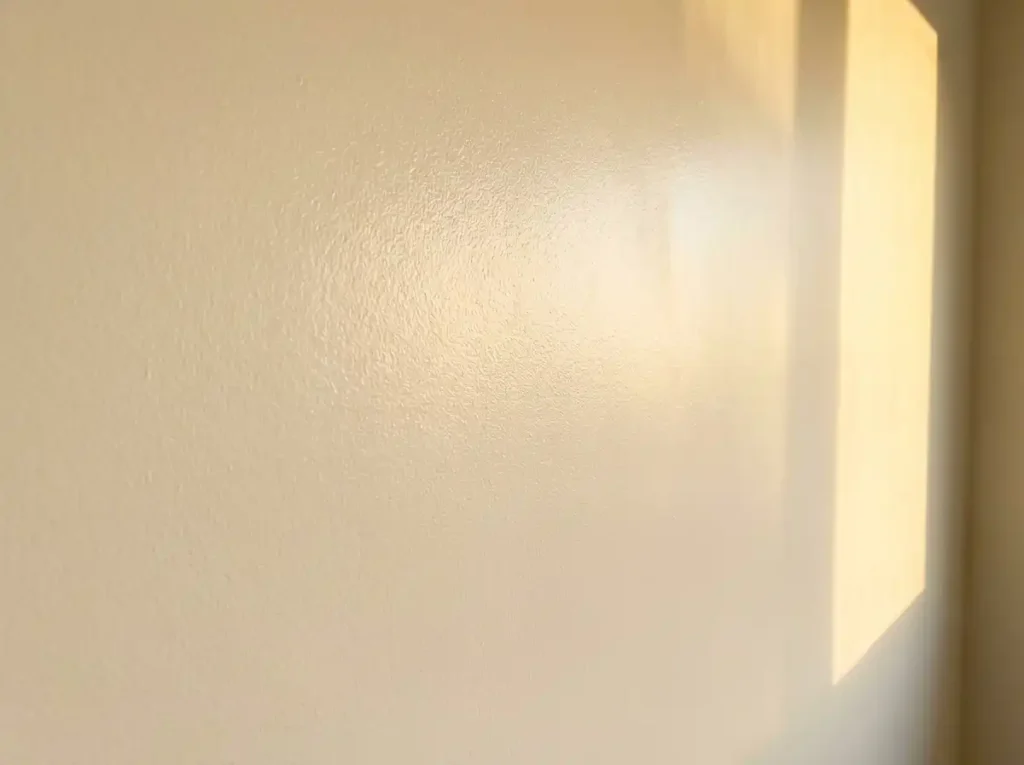
Northern Colorado gets a lot of clear, sunny days, and south-facing rooms soak up the most of it. How that light behaves changes a lot through the year:
- Winter sun reaches deep into the room. From late fall through early spring, the sun sits low in the southern sky and shines far across floors and onto back walls. A color that looked balanced in summer can look much warmer and brighter in January.
- Summer sun stays higher. In June and July, roof overhangs and eaves often block much of the direct sun, so the room may look a little cooler and more even than it does in winter.
- High-altitude brightness. At Front Range elevation, sunlight is intense and the dry air does little to soften it, so glare off walls and floors is common in south rooms.
- Snow bounce. On snowy days, light reflected off the yard can make a south-facing room extra bright and wash out pale colors.
- Fading. Strong UV through south windows can fade deep wall colors, floors, and furniture over the years. Shades, window film, and a quality paint help colors last.
How to Test Paint Colors in a South-Facing Room
- Pick finalists one step more muted than you think. Because sun brightens color here, include a grayed-down version of your favorite in the samples.
- Use large samples away from the window glare. Place one sample on the wall that takes direct sun and one on a side wall in softer light, so you can see both extremes.
- Check at midday, not just morning. South rooms are brightest around midday and early afternoon, which is when warm undertones show the most.
- Look at it on a cloudy day too. On overcast days the room flattens out, and you want the color to still feel pleasant without the sun.
- Compare with floors, cabinets, and furniture. Sun reflecting off warm wood floors or rugs can bounce extra color onto the walls.
- Give it a few days. Live with the samples long enough to see the room in different weather before you decide.
Best Paint Sheen for South-Facing Rooms
Bright sun makes glare and wall flaws more noticeable, so south-facing rooms usually look best with lower sheens on large wall surfaces. Here is our general guidance for Fort Collins homes:
| Surface | Recommended Sheen | Why |
|---|---|---|
| Living room walls | Eggshell | Soft look with low glare in full sun |
| Sunrooms and very bright walls | Matte | Minimizes glare and hides surface flaws in strong light |
| Kitchen and dining walls | Satin | Easy to clean in high-use areas |
| Ceilings | Flat | Reduces reflected glare and hides imperfections |
| Window trim and baseboards | Semi-gloss | Durable and easy to wipe near sunny windows |
| Interior doors | Semi-gloss | Holds up to frequent handling |
Professional Help Selecting Paint Colors
Selecting paint colors for south facing rooms requires careful attention to undertones and lighting balance. MGM Painting Co proudly serves Fort Collins, Loveland, Windsor, Timnath, Greeley, Wellington, Johnstown, and Laporte with expert interior painting services.
MGM Painting Co is proud to have a 5-star rating on Google and maintain A+ accreditation with the Better Business Bureau (BBB). Contact us today to schedule your estimate and choose the perfect color for your space.


Frequently Asked Questions
In the Northern Hemisphere, south-facing rooms usually get the most consistent direct sun through the day. That steady light is why colors in these rooms tend to look brighter and warmer than they do on a sample card.
Yes, a south-facing room handles deep colors better than most rooms because the strong light keeps them from feeling closed in. Choose a muted deep shade rather than a saturated one, and expect it to look somewhat lighter in direct sun.
Strong sunlight can gradually fade some interior colors, especially deep or saturated shades near south windows. Using a quality paint and window treatments that block UV helps the color stay true longer.