Home Paint Colors Inspired by Iconic Art
Choosing the right paint color can feel overwhelming. There are endless whites, grays, greens, blues, reds, and neutrals, and every color changes depending on light, architecture, furniture, trim, and the surrounding landscape.
One way to make the process more meaningful is to look at the colors that have stood the test of time in art.
Some of the most iconic paintings in history are known not just for their subjects, but for their unforgettable color palettes. From the warm browns and soft olive tones of the Renaissance to the bold blues and yellows of Van Gogh, each time period offers a different way to think about color in your home.
This guide breaks down paint color inspiration from major art movements and shows how those palettes can work in real homes today.
Table of Contents
- Why Art is a Great Starting Point
- Renaissance Colors
- Rococo Colors
- Neoclassical Colors
- Romanticism Colors
- Impressionism Colors
- Post-Impressionism Colors
- Fauvism Colors
- Cubism Colors
- Surrealism Colors
- Abstract Expressionism Colors
- Pop-Art Colors
- How to Choose the Right Palette
- Art Inspired Paint Palette Ideas
- Get an Inspired Palette for Your Home
- Frequently Asked Questions
Free Paint Color Consultation
MGM Painting Co offers a free professional paint color consultation on qualifying projects, giving homeowners expert guidance before the painting begins.
Why Art Is a Great Starting Point for Paint Colors
Great paintings use color with purpose. Artists think about light, contrast, balance, mood, and how one color affects another. These are the same things that matter when choosing paint for your home.
A color that looks calm in one room might look flat in another. A bold exterior color might feel beautiful on a historic home but too intense on a large modern surface. A soft neutral might look warm in a south-facing room and slightly gray in a north-facing room.
Looking at art helps you move beyond basic color trends and think about the feeling you want your home to create.
Warm, Classic, and Timeless
Renaissance-Inspired Colors
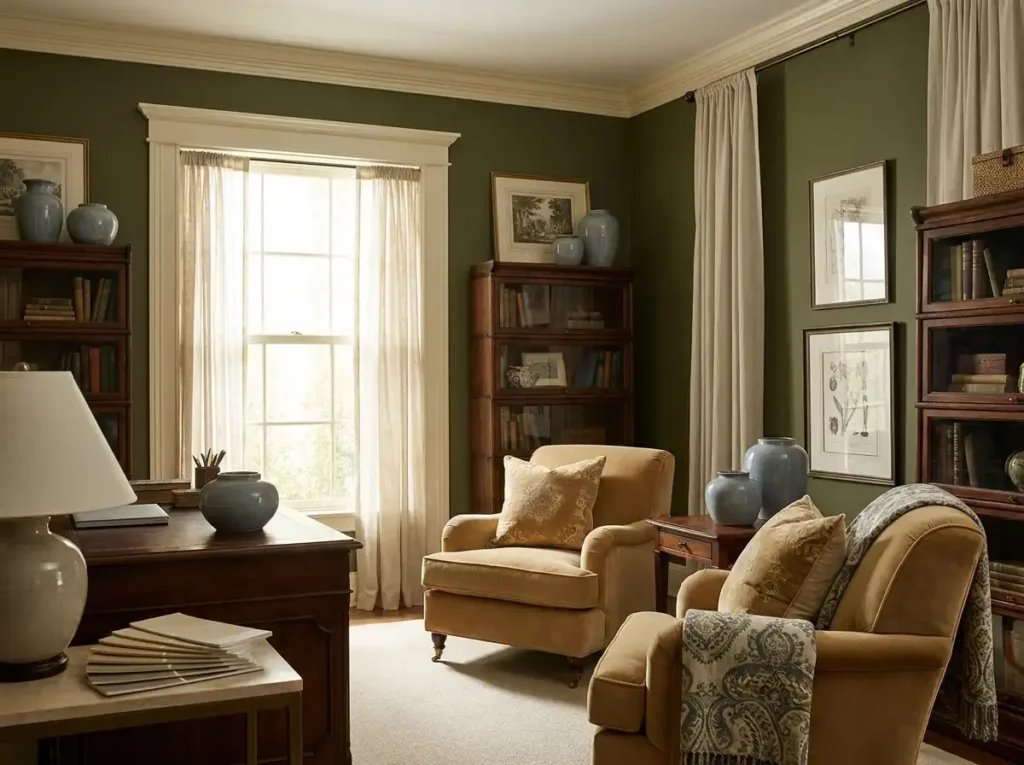
The Renaissance was known for balance, realism, warmth, and soft shadowing. Paintings from this period often use earthy browns, muted greens, golden tans, warm creams, and subtle blue-gray backgrounds.
Think of paintings like the Mona Lisa, where the colors feel calm, mature, and grounded.
|
Color Family
|
Mood
|
Best Use
|
|---|---|---|
|
Olive green
|
Classic and grounded
|
Studies, dining rooms, cabinetry, exterior accents
|
|
Warm beige
|
Soft and traditional
|
Living rooms, hallways, bedrooms
|
|
Golden tan
|
Elegant and historic
|
Entryways, trim accents, formal rooms
|
|
Dark brown
|
Rich and old-world
|
Doors, built-ins, beams, shutters
|
|
Muted blue-gray
|
Soft contrast
|
Bedrooms, bathrooms, exterior siding
|
How to Use This Palette at Home
A Renaissance-inspired palette works especially well in homes with wood trim, stone, brick, traditional furniture, or warm lighting. For interiors, try olive green walls with creamy trim, or warm beige walls with darker wood accents.
For exteriors, this palette can work beautifully on Craftsman, farmhouse, and traditional Northern Colorado homes. A warm beige body color with deep brown trim and an olive front door creates a classic, settled look without feeling outdated.
Soft, Light, and Playful
Rococo-Inspired Colors
Rococo art moved away from heavy drama and into something lighter, more decorative, and more playful. Paintings from this period often use blush pink, pale blue, soft green, ivory, cream, and faded gold.
This palette is ideal for anyone who likes soft color but does not want a plain white or gray home.
|
Color Family
|
Mood
|
Best Use
|
|---|---|---|
|
Blush pink
|
Soft and warm
|
Bedrooms, bathrooms, nurseries
|
|
Pale blue
|
Airy and peaceful
|
Bedrooms, ceilings, bathrooms
|
|
Mint green
|
Fresh and gentle
|
Kitchens, laundry rooms, powder rooms
|
|
Ivory
|
Clean and warm
|
Trim, walls, ceilings
|
|
Faded gold
|
Subtle elegance
|
Accents, décor, hardware pairing
|
How to Use This Palette at Home
Rococo-inspired colors are excellent for smaller spaces because they feel light and open. A pale blue bathroom, blush bedroom, or mint laundry room can add personality without overwhelming the space.
For exteriors, use these colors carefully. A soft blue or pale green can work well on cottage-style, historic, or farmhouse homes, especially with white or ivory trim. In bright Colorado sunlight, these colors may appear lighter and cooler, so always test samples before painting the full exterior.
Balanced, Clean, and Architectural
Neoclassical-Inspired Colors
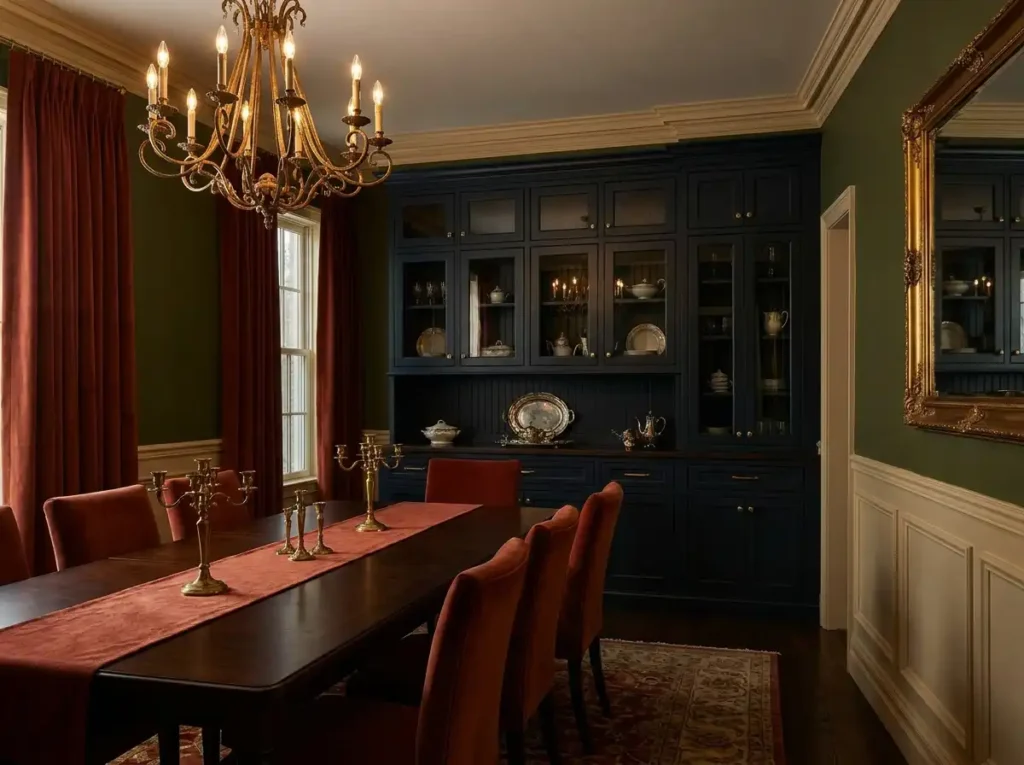
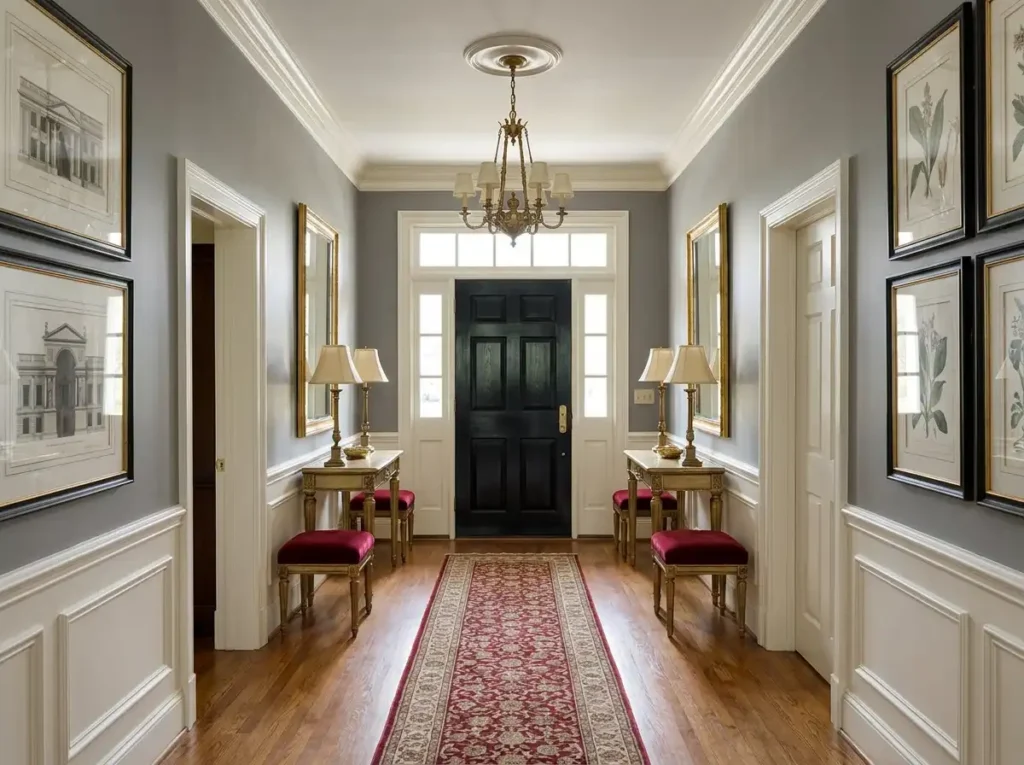
Neoclassical art focused on order, symmetry, proportion, and classical influence. The color palettes tend to feel structured and refined, with stone gray, ivory, deep red, muted gold, black, and soft beige.
This palette works especially well for homeowners who want a clean and formal look.
|
Color Family
|
Mood
|
Best Use
|
|---|---|---|
|
Stone gray
|
Formal and balanced
|
Exteriors, dining rooms, offices
|
|
Ivory
|
Clean and classic
|
Trim, columns, ceilings
|
|
Deep crimson
|
Strong and traditional
|
Doors, accent walls
|
|
Ochre
|
Warm and historic
|
Entryways, accents
|
|
Black
|
Sharp and architectural
|
Railings, doors, shutters
|
How to Use This Palette at Home
A Neoclassical palette works well on homes with strong architectural lines, columns, brick, stone, or symmetrical facades. For interiors, stone gray walls with ivory trim can create a clean and formal look without feeling cold.
For exteriors, consider a soft gray body color, white or ivory trim, and a deep red or black front door. This combination feels traditional, polished, and long-lasting.
Moody, Natural, and Emotional
Romanticism-Inspired Colors
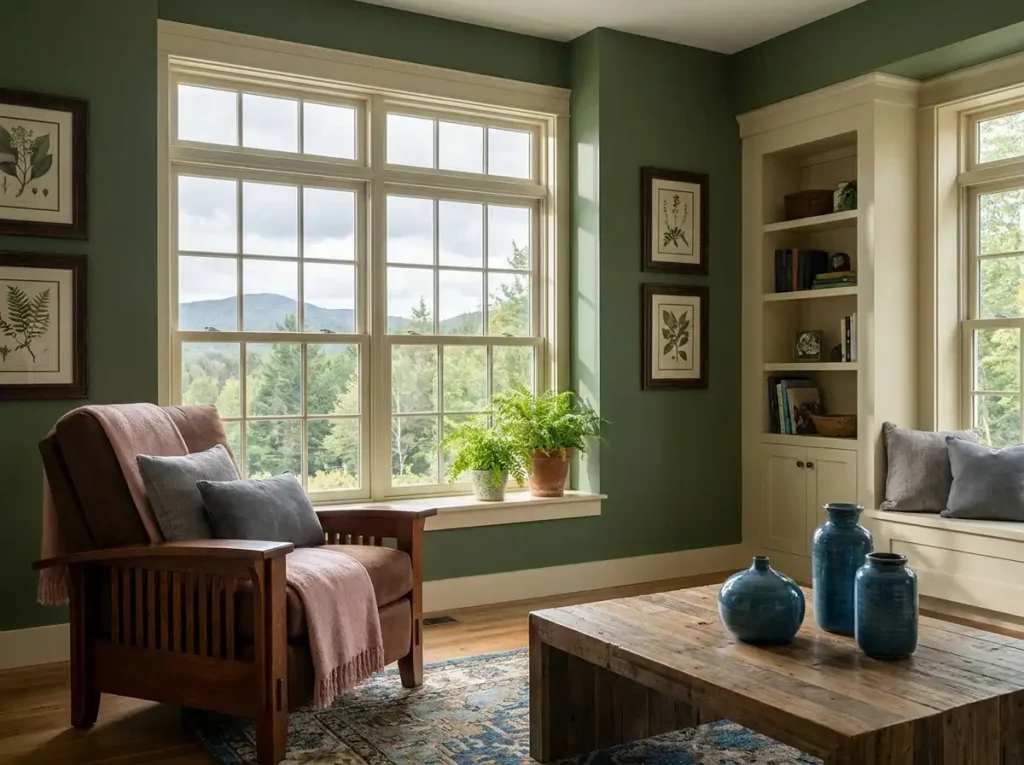
Romantic painters focused on emotion, nature, storms, landscapes, and atmosphere. These palettes often include stormy gray, moss green, ocean blue, burnt umber, deep red, dawn pink, and soft ivory.
This is one of the most useful art-inspired palettes for Northern Colorado homes because it draws heavily from nature.
|
Color Family
|
Mood
|
Best Use
|
|---|---|---|
|
Storm gray
|
Calm and dramatic
|
Exteriors, bedrooms, offices
|
|
Moss green
|
Natural and grounded
|
Living rooms, exterior siding, cabinets
|
|
Ocean blue
|
Cool and peaceful
|
Bedrooms, bathrooms
|
|
Burnt umber
|
Warm and rustic
|
Doors, beams, accents
|
|
Dawn pink
|
Soft and atmospheric
|
Bedrooms, accent walls
|
How to Use This Palette at Home
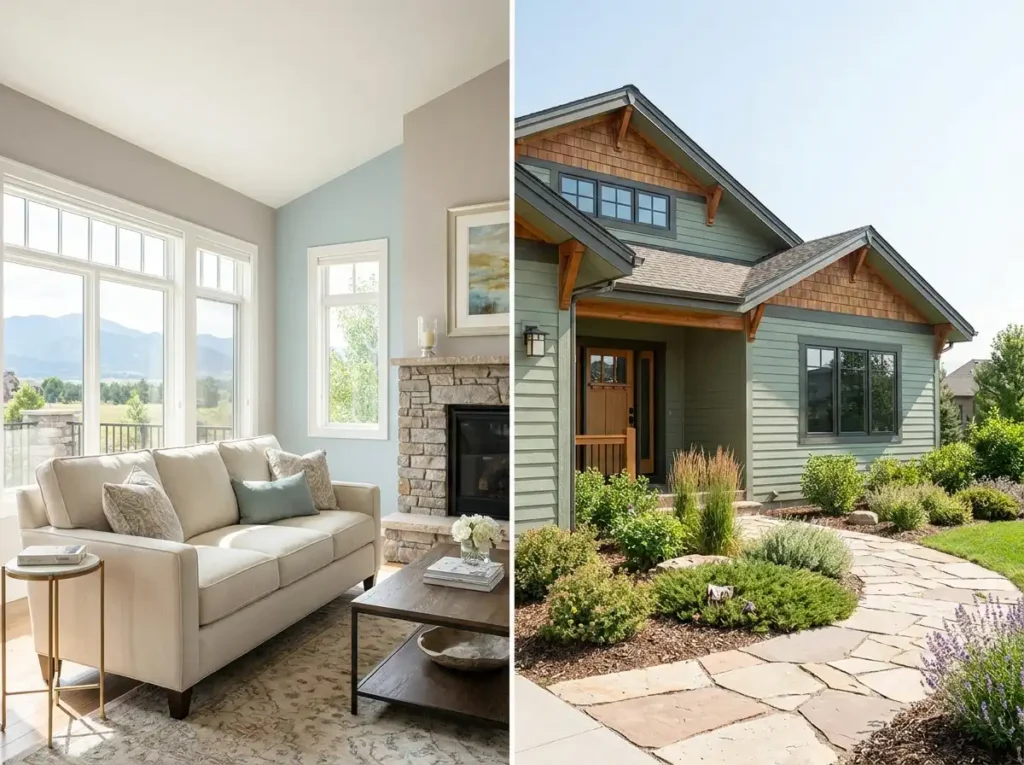
Romantic-inspired colors work well when you want your home to feel connected to the landscape. In Fort Collins and Northern Colorado, mossy greens, warm grays, and deep earthy browns can pair beautifully with mountain views, stonework, natural wood, and mature landscaping.
For interiors, use storm gray or moss green in bedrooms, offices, and living rooms. Pair with warm white trim to keep the room from feeling too dark.
For exteriors, this palette is excellent for homes that need a natural, grounded look. Moss green siding, cream trim, and a dark brown or deep red front door can feel both classic and connected to the outdoors.
Light, Airy, and Comfortable
Impressionism-Inspired Colors
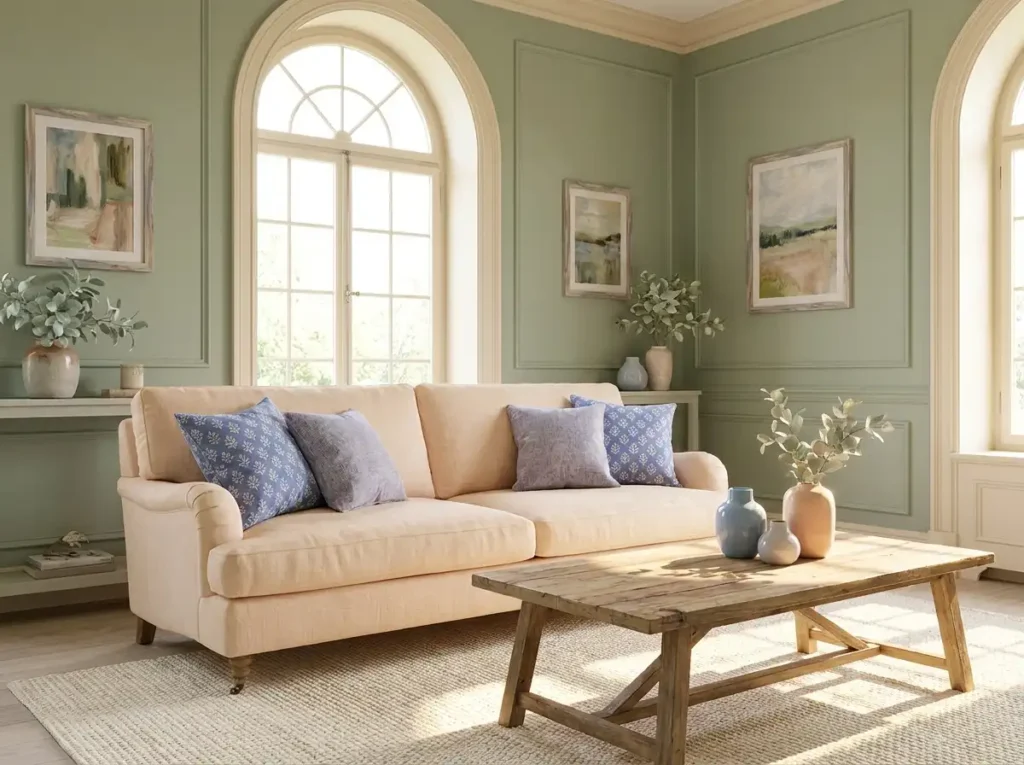
Impressionist painters focused on light, atmosphere, and everyday moments. The colors are often softer and brighter than earlier periods, with pale peach, cornflower blue, lavender, sage green, soft teal, and warm yellow.
This is a great palette for homeowners who want color without heaviness.
|
Color Family
|
Mood
|
Best Use
|
|---|---|---|
|
Pale peach
|
Warm and welcoming
|
Bedrooms, living rooms, bathrooms
|
|
Cornflower blue
|
Fresh and relaxed
|
Bedrooms, kitchens, bathrooms
|
|
Sage green
|
Calm and natural
|
Living rooms, cabinets, exteriors
|
|
Lavender-gray
|
Soft and refined
|
Bedrooms, powder rooms
|
|
Soft teal
|
Light and artistic
|
Bathrooms, offices, accent walls
|
How to Use This Palette at Home
Impressionist-inspired colors are especially useful for interiors. They bring softness and movement into a space without making it feel overly bold.
A sage green living room with creamy trim can feel relaxed and current. A soft blue bedroom can feel peaceful without becoming too cold. A pale peach bathroom can warm up a small space with limited natural light.
For exteriors, sage greens, muted blues, and soft gray-blues can work well when paired with white, cream, or warm gray trim.
Bold, Expressive, and Personal
Post-Impressionism-Inspired Colors
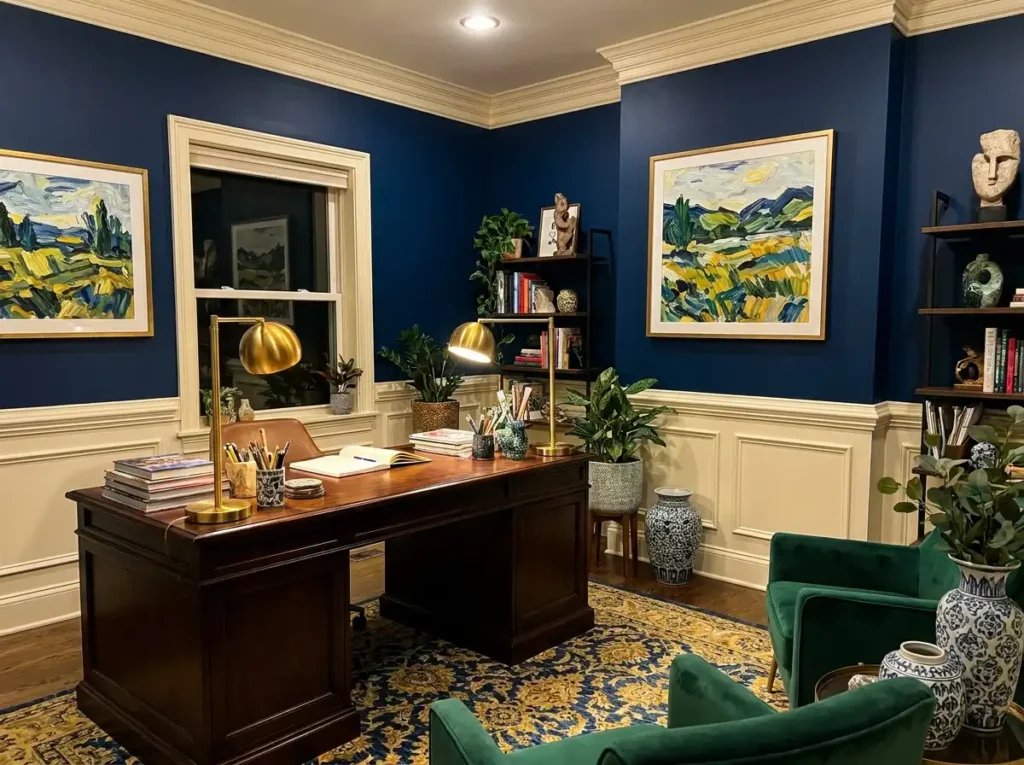
Post-Impressionist painters used color in more emotional and symbolic ways. Van Gogh’s Starry Night is one of the best examples, with deep blues, rich yellows, greens, creams, and dark browns.
This palette is more expressive, but it can still be adapted for real homes.
|
Color Family
|
Mood
|
Best Use
|
|---|---|---|
|
Midnight blue
|
Bold and creative
|
Offices, bedrooms, accent walls
|
|
Golden yellow
|
Energetic and warm
|
Doors, accents, small rooms
|
|
Emerald green
|
Rich and artistic
|
Cabinets, offices, dining rooms
|
|
Cream
|
Soft balance
|
Trim, ceilings, main walls
|
|
Dark brown
|
Grounding
|
Beams, doors, furniture pairing
|
How to Use This Palette at Home
A full room of midnight blue can be beautiful when balanced with warm white trim and good lighting. Golden yellow can be excellent for a front door, powder room, mudroom, or small accent wall.
For exteriors, this palette should be used with restraint. A deep blue body color with cream trim can look excellent on the right home. Yellow is usually better as a door or accent rather than a full exterior color.
Bright, Creative, and Fearless
Fauvism-Inspired Colors
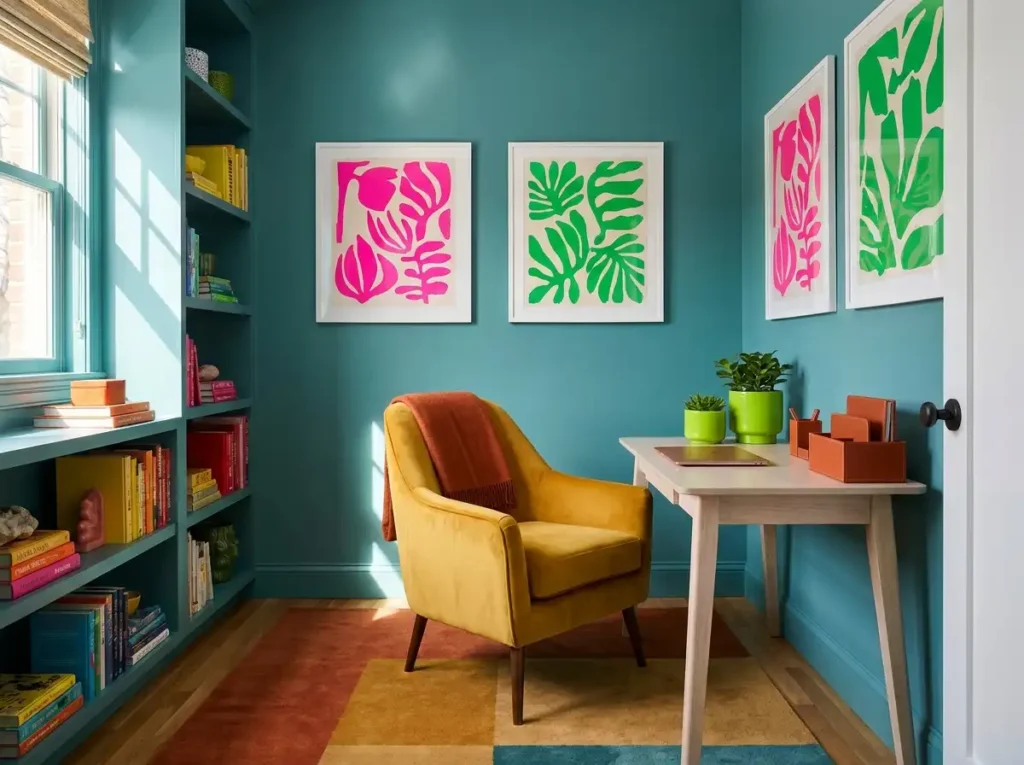
Fauvism is all about intense color. Artists like Henri Matisse used hot pink, bright green, teal, orange, mustard yellow, and other saturated colors in expressive ways. This is not a quiet palette. It is best used with intention.
|
Color Family
|
Mood
|
Best Use
|
|---|---|---|
|
Hot pink
|
Playful and energetic
|
Accent walls, kids’ rooms, creative spaces
|
|
Bright green
|
Fresh and bold
|
Doors, furniture, accents
|
|
Teal
|
Artistic and modern
|
Offices, powder rooms, cabinets
|
|
Mustard yellow
|
Warm and retro
|
Accent walls, doors
|
|
Burnt orange
|
Bold and earthy
|
Dining rooms, entryways
|
How to Use This Palette at Home
Fauvist colors are best used as accents. A teal office, burnt orange dining room, or mustard front door can make a home feel artistic without becoming overwhelming.
For exteriors, this palette is strongest when used on doors, shutters, porch ceilings, or accent details. A bright front door can add personality while keeping the main exterior color more neutral.
Modern, Neutral, and Sophisticated
Cubism-Inspired Colors
Surrealist art often feels dreamlike, strange, and imaginative. The color palettes can include saffron yellow, desert orange, marine blue, beige, black, forest green, apple red, and cloudy gray. This palette is useful when you want one unexpected color moment.
|
Color Family
|
Mood
|
Best Use
|
|---|---|---|
|
Olive-gray
|
Sophisticated and muted
|
Living rooms, exteriors, offices
|
|
Warm beige
|
Soft and flexible
|
Main walls, hallways
|
|
Terracotta
|
Earthy and warm
|
Accent walls, doors
|
|
Slate blue
|
Cool and structured
|
Bedrooms, offices, cabinets
|
|
Off-white
|
Clean and balanced
|
Trim, ceilings, walls
|
How to Use This Palette at Home
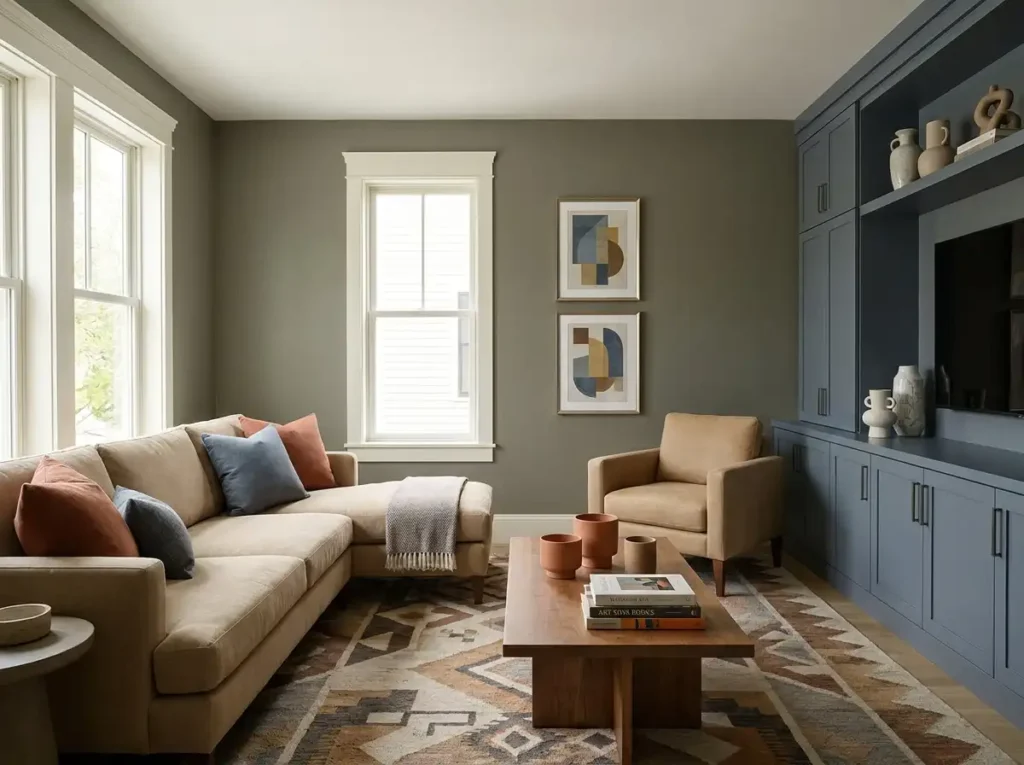
Cubist-inspired colors are excellent for homeowners who want something more interesting than basic gray but still neutral enough for daily living.
For interiors, try warm beige walls, off-white trim, and slate blue cabinetry or built-ins. For exteriors, olive-gray siding with off-white trim and a terracotta front door can feel modern, warm, and unique.
Unexpected, Creative, and Memorable
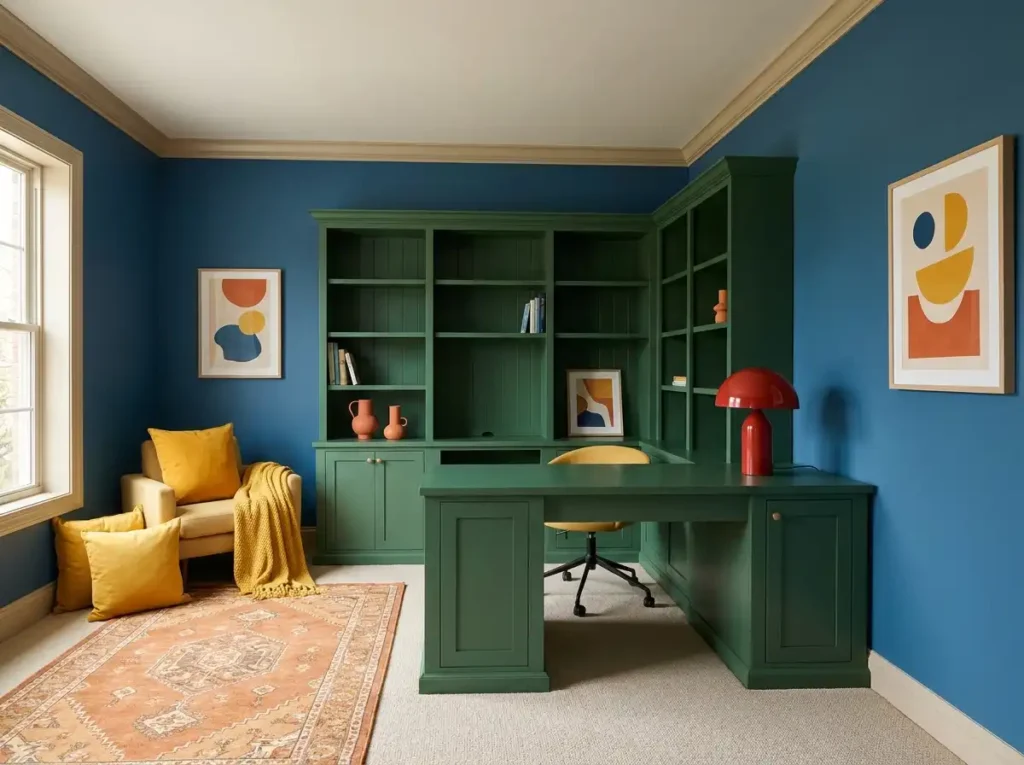
Surrealism-Inspired Colors
Cubism used fragmented shapes, geometry, muted colors, and layered neutrals. The palettes often include olive-gray, beige, terracotta, slate blue, off-white, and warm gray. This is one of the most practical palettes for modern homes.
|
Color Family
|
Mood
|
Best Use
|
|---|---|---|
|
Saffron yellow
|
Creative and warm
|
Accent walls, doors, studios
|
|
Marine blue
|
Cool and imaginative
|
Bathrooms, offices
|
|
Desert orange
|
Warm and unusual
|
Entryways, accent walls
|
|
Forest green
|
Deep and grounded
|
Offices, cabinets, exteriors
|
|
Apple red
|
Sharp and memorable
|
Doors, furniture, accents
|
How to Use This Palette at Home
A Surrealism-inspired palette works best when most of the home remains balanced and one color creates a strong visual moment.
Think beige exterior with a deep forest green door. Or a neutral office with one saffron yellow built-in. Or a powder room painted in marine blue with black accents.
For homeowners who want something different but not chaotic, this approach creates personality in controlled doses.
Earthy, Modern, and Textural
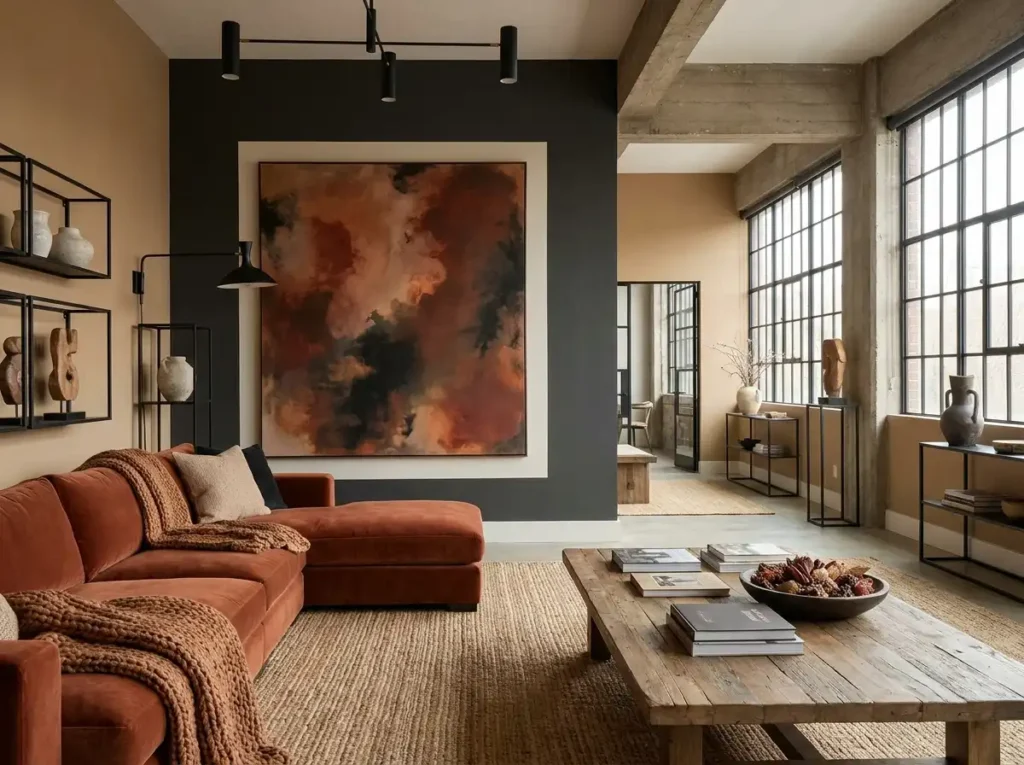
Abstract Expressionism-Inspired Colors
|
Color Family
|
Mood
|
Best Use
|
|---|---|---|
|
Charcoal
|
Modern and dramatic
|
Accent walls, exteriors, trim
|
|
Rust
|
Warm and artistic
|
Dining rooms, doors, accents
|
|
Tan
|
Soft and livable
|
Main walls, exteriors
|
|
Pumpkin orange
|
Bold and energetic
|
Accent walls, creative spaces
|
|
Off-white
|
Clean contrast
|
Trim, ceilings, surrounding walls
|
How to Use This Palette at Home
This palette works especially well in homes with natural textures like brick, wood, concrete, metal, or stone. A charcoal accent wall can make a living room feel modern. Rust or pumpkin tones can add warmth to spaces that feel too gray.
For exteriors, charcoal trim, tan siding, and a rust-toned door can create a bold but grounded look.
Bright, Graphic, and Fun
Pop Art-Inspired Colors
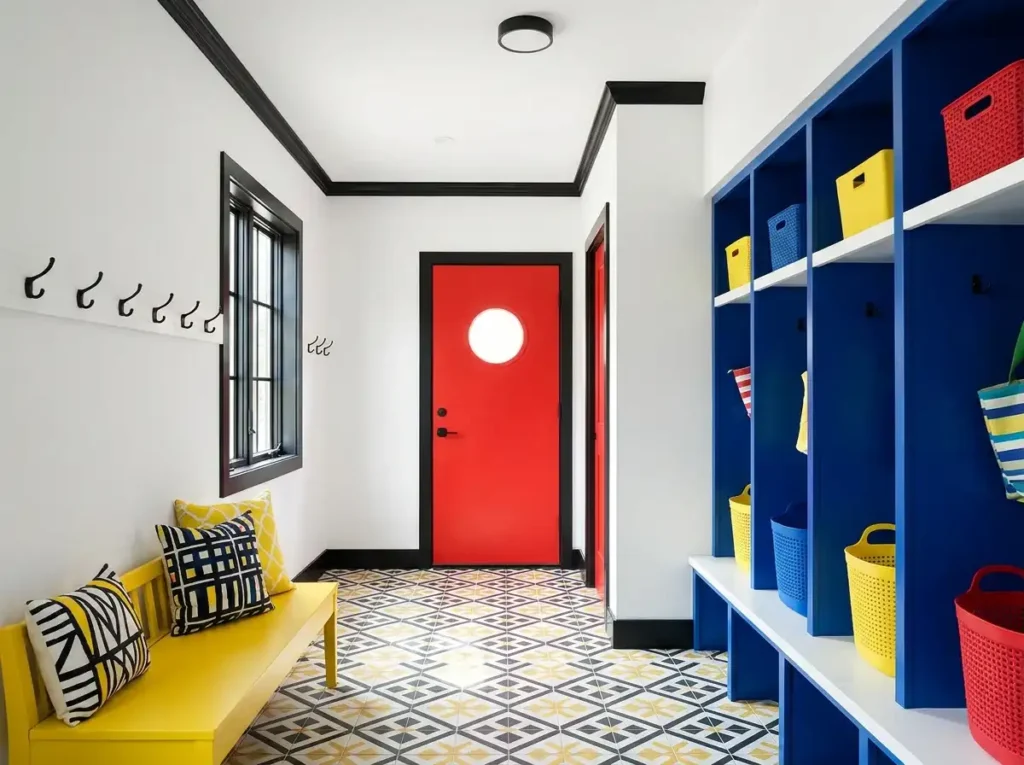
Pop Art brought bold primary colors, commercial imagery, graphic contrast, and high-energy combinations into the art world. Think red, yellow, cobalt blue, black, and white. This is the most playful palette in our guide to paint colors for your home inspired by iconic art.
|
Color Family
|
Mood
|
Best Use
|
|---|---|---|
|
Bright red
|
Energetic and bold
|
Front doors, accent walls
|
|
Canary yellow
|
Cheerful and strong
|
Mudrooms, doors, small accents
|
|
Cobalt blue
|
Graphic and confident
|
Cabinets, kids’ rooms, accents
|
|
Black
|
Sharp and modern
|
Trim, railings, doors
|
|
White
|
Clean contrast
|
Main walls, trim, ceilings
|
How to Use This Palette at Home
Pop Art colors work best when used sparingly. A red front door, black shutters, and white siding can feel clean and classic with a graphic edge. A cobalt blue cabinet wall or yellow mudroom can add fun without taking over the entire home.
For interiors, this palette is ideal for kids’ rooms, playrooms, creative studios, garages, and bold kitchens.
How to Choose the Right Palette for Your Home
Before choosing a color, think about how the paint will actually live in your space.
1. Look at Your Natural Light
Paint changes throughout the day. A color that looks soft in the morning can look much stronger in the afternoon. South-facing and west-facing spaces often intensify warm colors. North-facing rooms can make colors look cooler or grayer.
Always test paint samples on the wall before making a final decision.
2. Consider Your Home’s Architecture
A historic home may look best with Renaissance, Neoclassical, Romantic, or Baroque-inspired colors. A modern home may handle Cubist, Abstract Expressionist, or Pop Art-inspired colors better.
The right palette should complement the home rather than fight it.
3. Decide Where the Bold Color Belongs
Not every color needs to cover every wall. Some of the strongest colors work best as:
- Front doors
- Shutters
- Accent walls
- Cabinets
- Built-ins
- Powder rooms
- Trim details
4. Balance Color With Neutrals
Most successful palettes use a dominant neutral, a supporting color, and one accent color. This keeps the home from feeling too busy.
For example, a Starry Night-inspired room does not need every wall painted deep blue and yellow. You could use navy on one wall, cream on the others, and small yellow accents.
5. Think About Exterior Durability
Exterior paint colors face sun, wind, snow, hail, moisture, and temperature swings. In Northern Colorado, color choice is not just about appearance. Dark colors may absorb more heat and can fade faster depending on exposure and product choice.
For exterior painting, it is important to choose quality paint, proper sheen, and colors that make sense for your home’s material and sun exposure.
Art-Inspired Paint Palette Ideas
|
Style
|
Interior Idea
|
Exterior Idea
|
|---|---|---|
|
Renaissance
|
Olive study with cream trim
|
Beige siding, brown trim, olive door
|
|
Baroque
|
Deep green dining room
|
Dark green shutters, brick red door
|
|
Rococo
|
Blush bedroom or pale blue bath
|
Soft blue siding with ivory trim
|
|
Neoclassical
|
Stone gray dining room
|
Gray body, white trim, black door
|
|
Romanticism
|
Moss green bedroom
|
Earthy green siding, cream trim
|
|
Impressionism
|
Sage living room
|
Muted blue-gray exterior
|
|
Post-Impressionism
|
Navy office with warm accents
|
Deep blue door with cream trim
|
|
Fauvism
|
Teal powder room
|
Mustard or orange front door
|
|
Cubism
|
Warm beige walls with slate accents
|
Olive-gray siding, terracotta door
|
|
Surrealism
|
Marine blue office
|
Forest green door on neutral siding
|
|
Abstract Expressionism
|
Charcoal accent wall
|
Tan siding, charcoal trim
|
|
Pop Art
|
Red or cobalt accent wall
|
White siding, black trim, red door
|
Your Home Can Have a Palette With a Story
A Renaissance-inspired palette can make a home feel classic and warm. An Impressionist palette can make a room feel light and peaceful. A Cubist palette can make a home feel modern and grounded. A Pop Art-inspired accent can make an entryway or front door feel bold and memorable.
MGM Painting Co proudly serves Fort Collins, Loveland, Windsor, Timnath, Greeley, Wellington, and Johnstown with professional exterior painting services.
MGM Painting Co provides professional exterior painting services backed by quality craftsmanship, clear communication, a 5-star Google rating, and A+ accreditation with the Better Business Bureau (BBB). Contact us today to schedule your estimate and refresh your home’s exterior with confidence.