Quick Summary
- Trim usually looks best a little brighter and cleaner than the wall color, which gives rooms crisp definition.
- Use a softer trim white when your walls, floors, cabinets, or stone lean warm.
- Keeping trim and ceilings in the same white family is the safest way to avoid clashing undertones.
- Always test whites side by side in morning and evening light, since undertones shift a lot in Colorado sun.
Choosing the right white for your walls is a great start, but trim and ceiling whites are what make a home feel finished. The wrong white on trim can look yellow next to your walls. The wrong ceiling white can feel dark, dingy, or harsh in Colorado light. When everything is coordinated, your rooms feel cleaner, brighter, and more intentional.
At MGM Painting Co, we help homeowners across Fort Collins and Northern Colorado pick trim and ceiling whites that pair perfectly with their wall colors and natural light. If you found this helpful, make sure to read Best White Paint Colors for Fort Collins Homes and Best Interior Paint Colors for Natural Light.
Free Professional Color Consultation
Choosing the right paint color can feel overwhelming. When you work with MGM Painting Co, you receive expert guidance from a professional interior designer who helps you select colors that fit your home, lighting, and style.
Why Trim and Ceiling Matter
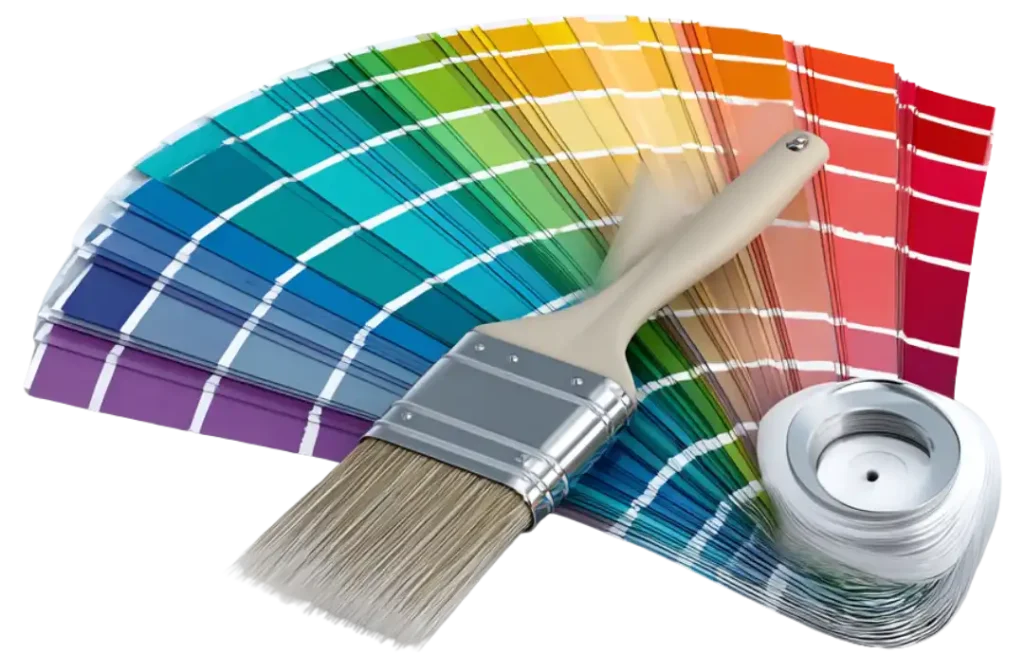
Trim and ceilings act like the frame around your walls. They affect contrast, brightness, and how clean the paint job looks. In many Fort Collins homes, you also have strong daylight and shifting seasonal light, which can exaggerate undertones. A trim white that looks “normal” at night can suddenly look creamy or gray in the morning sun.
- Make wall colors look more accurate in natural light.
- Create crisp lines around doors, baseboards, and windows.
- Brighten rooms that feel a little dim or closed in.
- Unify open floor plans so rooms flow cleanly from one space to the next.
Best Whites for Trim
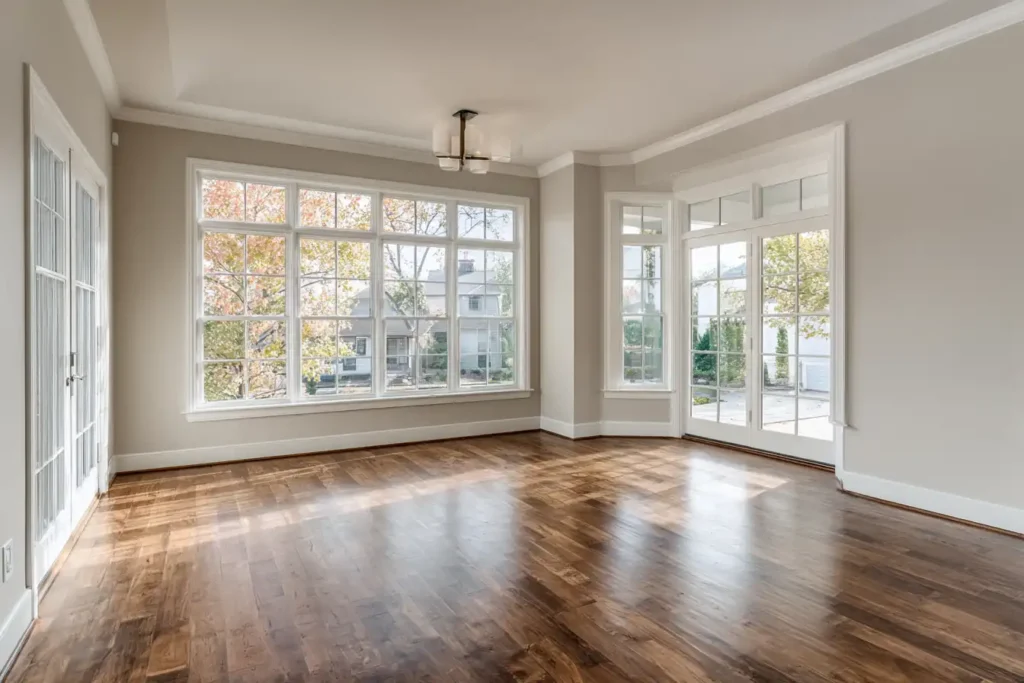
Trim usually looks best when it is slightly brighter and cleaner than the wall color. This adds definition and makes the whole space feel sharp. In most homes, trim is also higher-touch, so durability matters.
- Bright Cotton: A classic bright white that creates strong contrast and crisp edges.
- Pure Snow: Clean and modern, great for newer homes and contemporary interiors.
- Gallery White: Slightly softened white that still reads crisp without feeling stark.
Painting Pro Tip
I always tell homeowners to judge a trim white right up against the wall color, not on its own. Hold the sample on the actual baseboard or door casing, where it will live. A white that looks perfectly clean on a white card can suddenly look gray or creamy once it sits next to a colored wall.
Bright Cotton
Pure Snow
Gallery White
When to Use a Softer Trim White
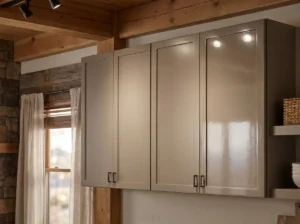
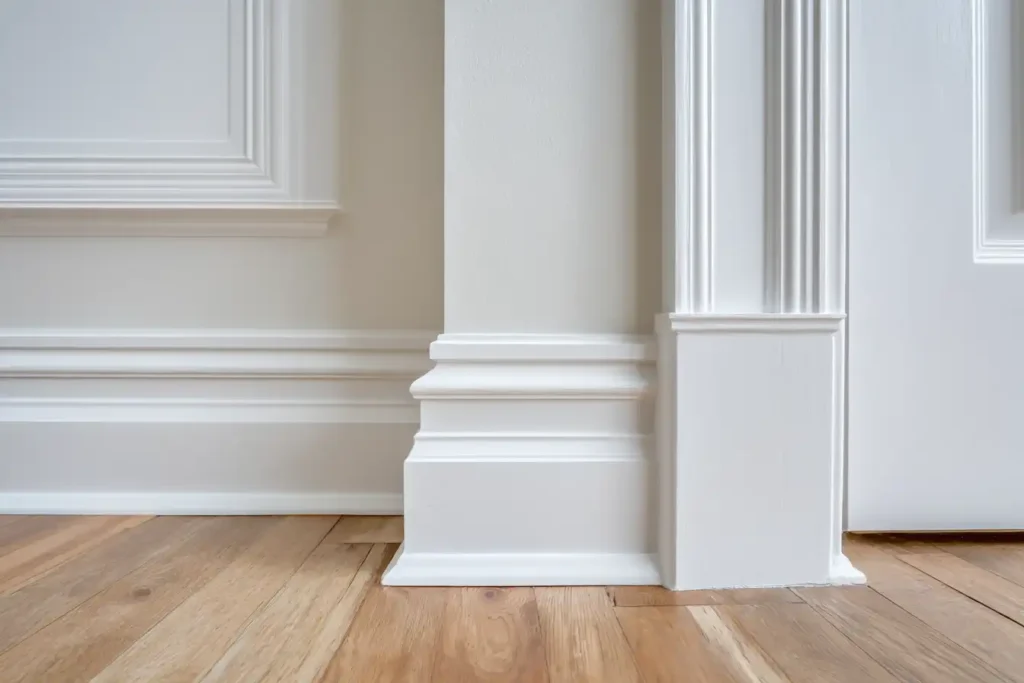
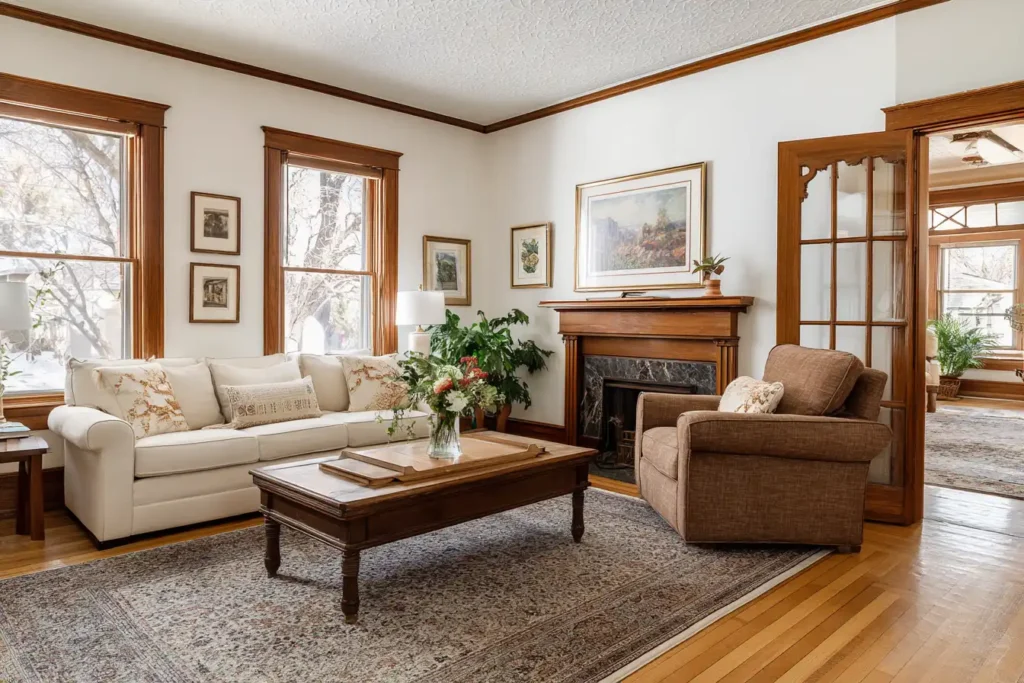
Not every home needs bright white trim. If you have warm flooring, creamy cabinets, or traditional finishes, a softer trim white can look more natural and less “high contrast.”
- Your walls are warm whites, creams, or beiges.
- You have honey oak trim, warm wood floors, or tan stone.
- You want a more relaxed, classic look instead of sharp contrast.
Best Whites for Ceilings
Ceilings should feel bright and clean, but they do not always need to match the trim exactly. In many Fort Collins homes, ceiling brightness makes a big difference, especially in rooms with lower ceilings or limited light.
- Morning Mist: A balanced white that looks smooth in changing daylight.
- Pearl Snow: A warm-leaning ceiling white that pairs well with warm wall colors.
- Clear Sky White: A cooler ceiling white that works well in bright, modern spaces.
Painting Pro Tip
On most jobs I look at the ceiling white in the room’s dimmest corner, not under a window. Ceilings get the least direct light, so a white that looks bright on the wall can read flat or slightly gray overhead. If a room feels dim, I lean toward a cleaner, brighter ceiling white rather than a heavily tinted one.
Morning Mist
Pearl Snow
Clear Sky White

Should Trim Match the Ceiling or the Walls?
Most homeowners get the best results by keeping trim and ceilings in the same white family, then letting wall colors do the talking. That said, there is no single rule that fits every home.
Here are three clean approaches:
- Trim and ceiling match: Great for a uniform, classic look and for homes with lots of trim detail.
- Ceiling slightly softer than trim: Helps reduce glare and feels more relaxed in bedrooms and living rooms.
- Walls and trim match: A modern approach that makes rooms feel larger and more seamless, especially in small spaces.

Trim and Ceiling Mistakes
White paint is sensitive. Small differences can look big once everything is on the wall. These are some of the most common issues we see:
- Mixing whites with different undertones: This can make trim look yellow or pink next to the walls.
- Using a ceiling white that is too bright: In strong daylight, it can feel harsh and reflective.
- Using the same sheen everywhere: Trim usually needs more durability than ceilings.
- Skipping sample testing: Whites can change drastically between morning and evening light.
Painting Pro Tip
The mistake I see most is people mixing whites from different rooms over the years. Before a repaint, I check what is already on the doors and trim throughout the house. If you are only redoing one room, either match the existing trim white exactly or plan to repaint trim in the connected spaces too, so the change does not stand out.
Designer Tips for a Clean Look
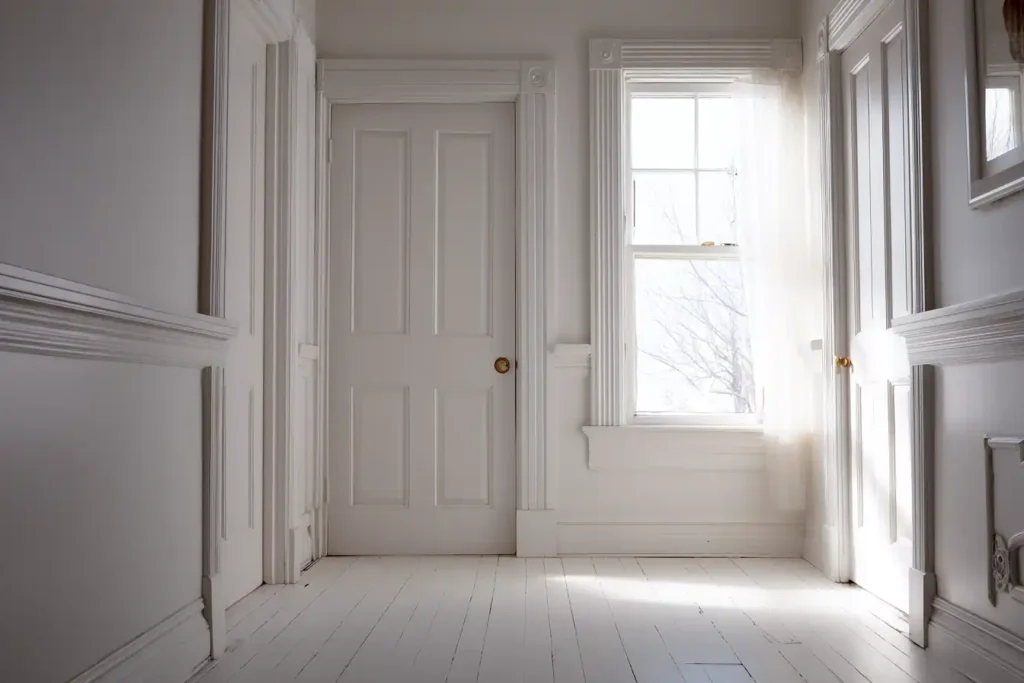
- Test your whites next to each other: Compare wall, trim, and ceiling samples in the same room.
- Use the right sheen: Many homes do well with eggshell on walls, satin on trim, and flat on ceilings.
- Think about flooring and cabinets: Warm finishes usually look best with warm or neutral whites.
- Keep it consistent across the home: Repeating the same trim and ceiling whites can make open spaces feel cohesive.
Choosing Trim and Ceiling Whites in Colorado Light
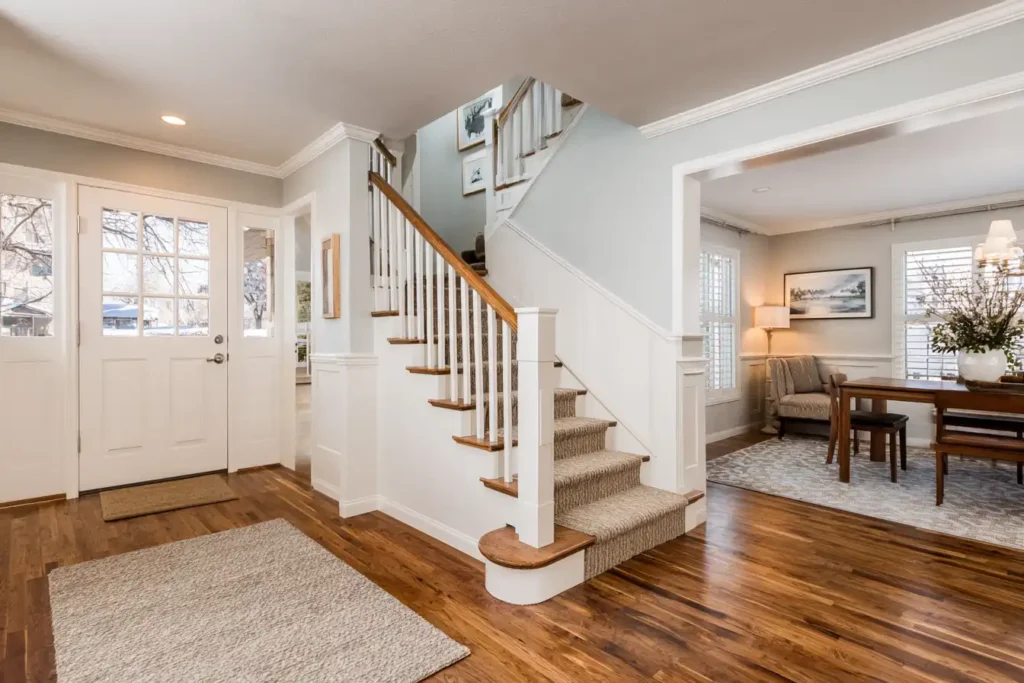
Front Range light is bright, cool, and strong, and it changes a lot from season to season. That makes white paint more sensitive here than in many places. A few things to keep in mind in Fort Collins and Northern Colorado homes:
- High-altitude sunlight is intense and slightly blue, so very cool, stark whites can look icy or glaring in south- and west-facing rooms.
- Low winter sun comes in at a sharp angle and rakes across ceilings and trim, which shows uneven sheen and patchy touch-ups more clearly. A uniform, fresh coat matters.
- Snow glare in winter bounces extra light into rooms and can make bright whites feel even brighter, while north-facing rooms can stay gray and flat for months.
- Dry air and big temperature swings can open small gaps where trim meets walls. Caulking those joints before painting keeps lines crisp and stops shadows from showing through the white.
- Open floor plans that get light from several directions benefit from one consistent trim and ceiling white so the color reads the same throughout the day.
How to Test Trim and Ceiling White Paint Colors
- Narrow it to two or three whites. Pick finalists that share the same undertone family as your wall color, warm with warm and cool with cool.
- Use large samples. Paint sample boards or large swatches rather than relying on small chips, which are too small to show undertones.
- Test trim samples against the wall color. Hold them on the baseboard, a door casing, and a window frame so you see them in context with the actual wall paint.
- Test ceiling samples overhead. Hold a board flat against the ceiling, or look at it held level above your head, since ceilings get much less direct light than walls.
- Check morning, afternoon, and evening. Look in daylight and again under your own lamps and fixtures, since warm bulbs can push whites yellow.
- Compare with fixed finishes. View the samples next to flooring, cabinets, countertops, and stone, then live with them for a few days before deciding.
Best Paint Finish and Sheen for Trim and Ceilings
The right sheen makes trim more durable and keeps ceilings looking smooth. Here is what we recommend for most Fort Collins homes:
| Surface | Recommended Sheen | Why |
|---|---|---|
| Ceilings | Flat | Hides imperfections and reduces glare from bright daylight |
| Bathroom ceilings | Flat or matte moisture-resistant ceiling paint, or satin | Handles humidity from showers better than standard flat |
| Baseboards and window trim | Satin or semi-gloss | Durable and wipeable for high-touch areas |
| Interior doors and door frames | Semi-gloss | Stands up to hand prints and frequent cleaning |
| Crown molding | Satin or semi-gloss | Adds subtle definition without heavy shine |
| Walls next to trim | Eggshell | Low sheen contrasts nicely with a slightly shinier trim |
Refresh Your Home with MGM Painting Co
Trim and ceilings can make or break the look of your home. MGM Painting Co proudly serves Fort Collins, Loveland, Windsor, Timnath, Greeley, Wellington, Johnstown, and Laporte with professional interior painting services.
Our team is known for quality craftsmanship, clear communication, and excellent value. We are proud to maintain an A+ rating with the BBB and a 5-star rating on Google.
Contact us today to schedule your free consultation and get expert help choosing trim and ceiling whites that look perfect in your home.
Frequently Asked Questions
In most cases, yes. A brighter trim white adds definition and helps walls look clean and intentional.
Not always. Ceilings are commonly painted in a flat finish to reduce glare and hide surface imperfections.
Satin is a popular choice for trim because it is durable and easy to clean without looking overly shiny.
Most ceilings look best in a soft, clean white because it reflects light and keeps rooms feeling open. A tinted ceiling, often the wall color lightened, can work well in rooms with tall ceilings or when you want a cozier, more unified look.
Not always, but fresh trim makes new wall color look much cleaner. If your trim is scuffed, yellowed, or a different white than the new walls call for, repainting it at the same time usually gives the best result.
Many painters now use water-based or waterborne alkyd enamels on trim because they level well, dry hard, and resist yellowing over time. Traditional oil-based paints can yellow, especially in rooms with less light, and need more ventilation and longer drying times.