European Paint Trends for Colorado Homes
European-inspired paint trends are having a major moment. Homeowners are seeing soft plaster walls, limewashed brick, warm whites, muted greens, stone neutrals, color-drenched rooms, and old-world exterior palettes across Pinterest, Instagram, TikTok, and design magazines.
The look makes sense. European homes often feel timeless, layered, warm, and intentional. They do not rely on loud colors or overly trendy finishes. Instead, they usually lean into natural materials, soft contrast, historic color palettes, matte finishes, and colors that feel connected to the architecture.
For Colorado homeowners, that can be a great fit. But there is a catch.
Get a Color Consultation from our Expert Designer
MGM Painting Co offers professional paint color consultation on qualifying projects, giving homeowners expert guidance before the painting begins.
Colorado is not Europe
Not every European painting trend translates perfectly to homes in Colorado. Our state has stronger sunlight, higher UV exposure, freeze-thaw cycles, snow glare, dry air, and a wide range of exterior materials. A paint color or finish that looks soft and subtle in a European cottage photo can look much brighter, flatter, or more intense on a Colorado home.
“European-inspired design can be beautiful, but you have to adapt it to where the home actually is,” says Matthew Morgenstern, owner of MGM Painting Co. “Colorado light is strong. Our winters are hard on exterior materials. A good trend should still look good after the first season, not just in a photo.”
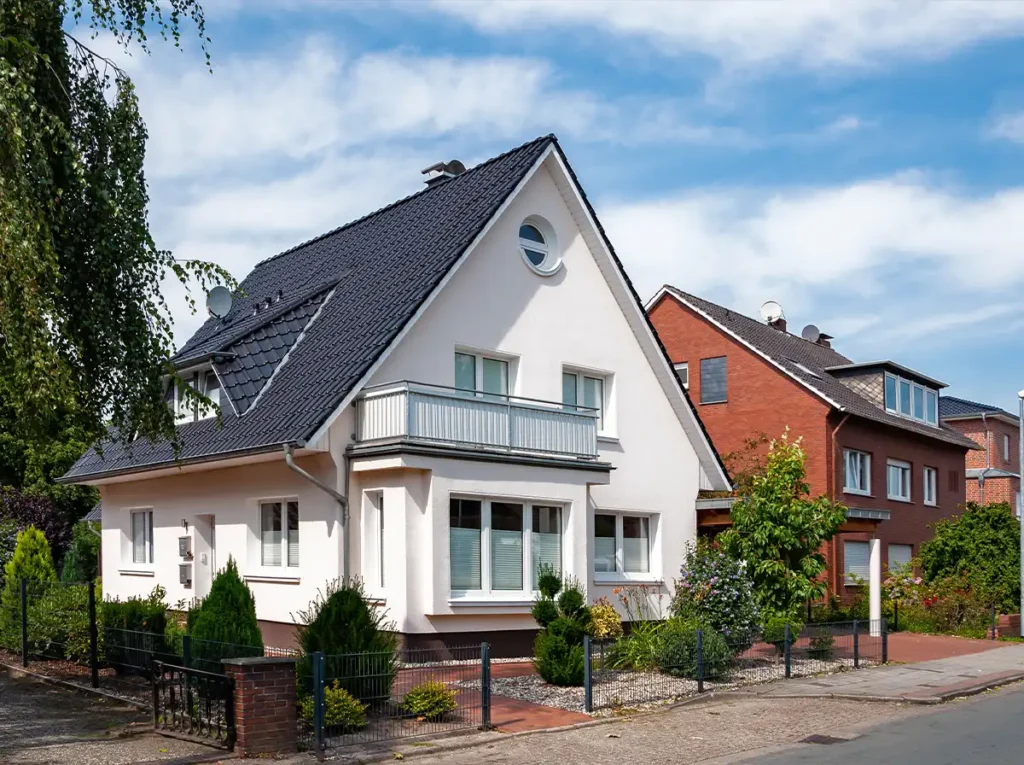
Why European Paint Trends Are Gaining Attention
European paint trends are popular because they feel different from the high-contrast, fast-moving looks that have dominated social media in recent years.
European paint trends are popular because they feel different from the high-contrast, fast-moving looks that have dominated social media in recent years.
“We’re seeing more homeowners move away from stark white and harsh contrast,” says Morgenstern. “They still want clean and updated, but they want the home to feel warmer and more settled. That is where these European-inspired colors can work really well.”
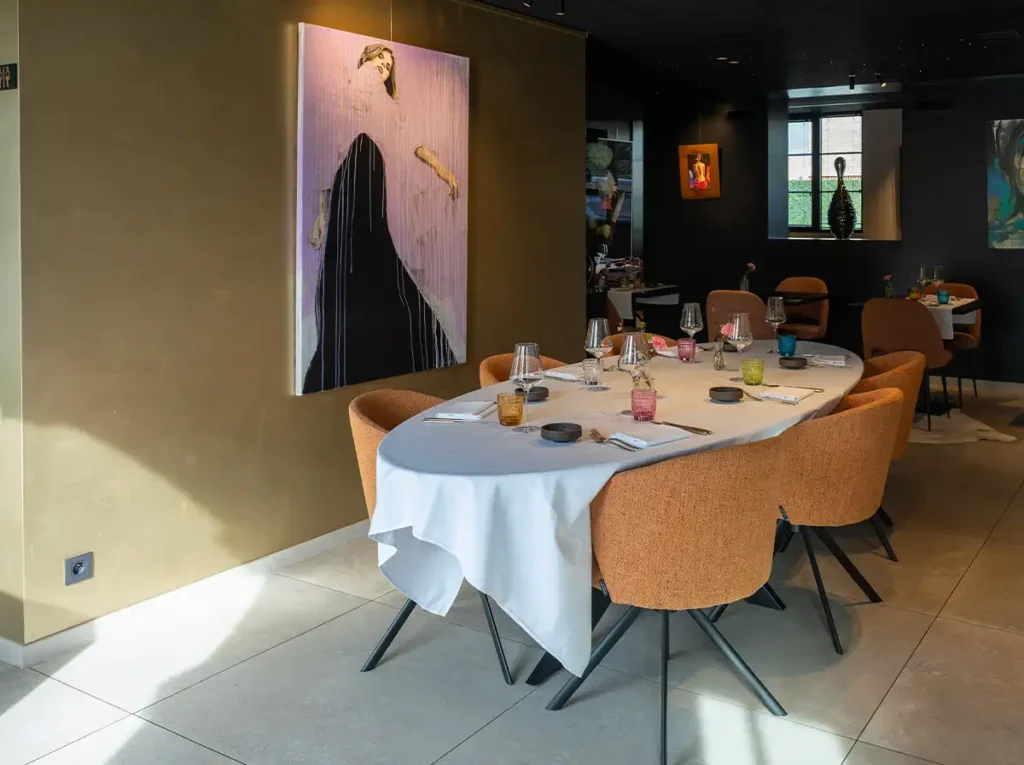
Whites and Mineral Neutrals
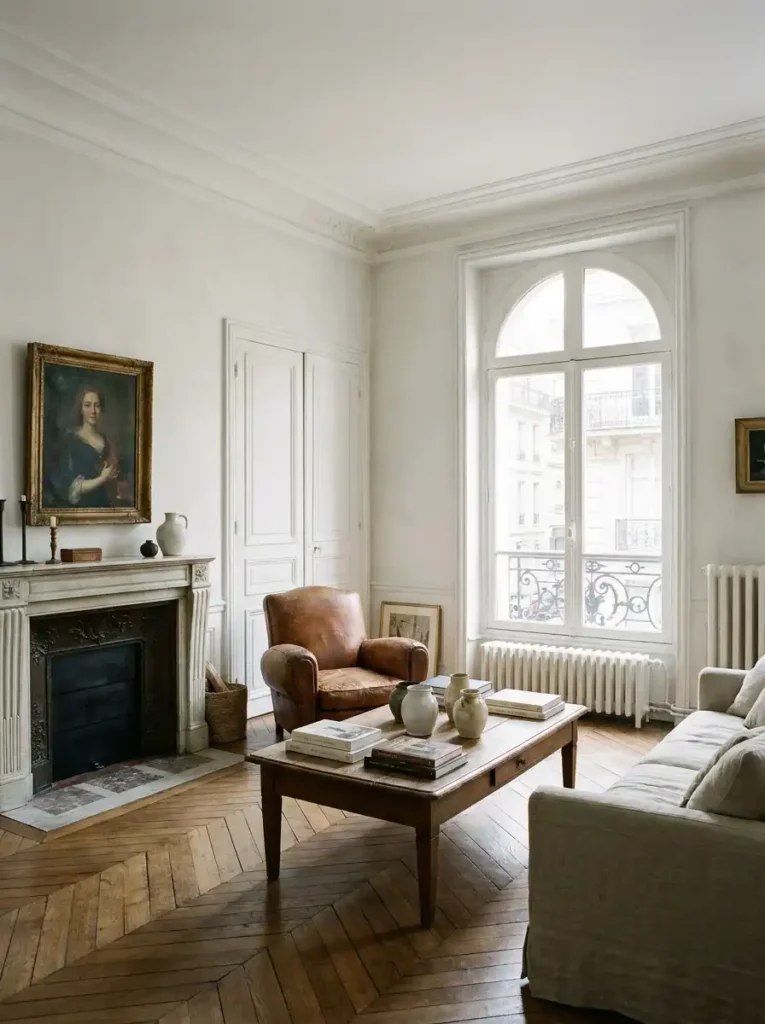
One of the strongest European paint trends is the move toward warm whites and mineral-inspired neutrals.
These are not the bright, blue-white shades that can feel cold in Colorado sunlight. They are softer whites with cream, stone, beige, clay, or greige undertones. Think of colors inspired by limestone, plaster, old brick, natural canvas, and warm stone.
These shades work well for interiors because they help rooms feel bright without feeling sterile. They also pair nicely with wood floors, stone fireplaces, black or bronze fixtures, and natural light.
For exteriors, warm whites and stone neutrals can be a strong choice for brick, stucco, siding, and trim. They often look more natural than pure white, especially on homes with tan stone, brown brick, weathered wood roofs, or darker shingles.
That said, undertone matters. A white that looks soft indoors can become very bright outside. A greige that looks calm on a sample card can turn pink, yellow, or muddy depending on the roof, stone, and sunlight.
“White is one of the easiest colors to get wrong in Colorado,” says Morgenstern. “A lot of homeowners want a soft European white, but outside, pure white can be harsh. We usually steer people toward warmer, grounded whites that work with the roof, stone, and trim.”
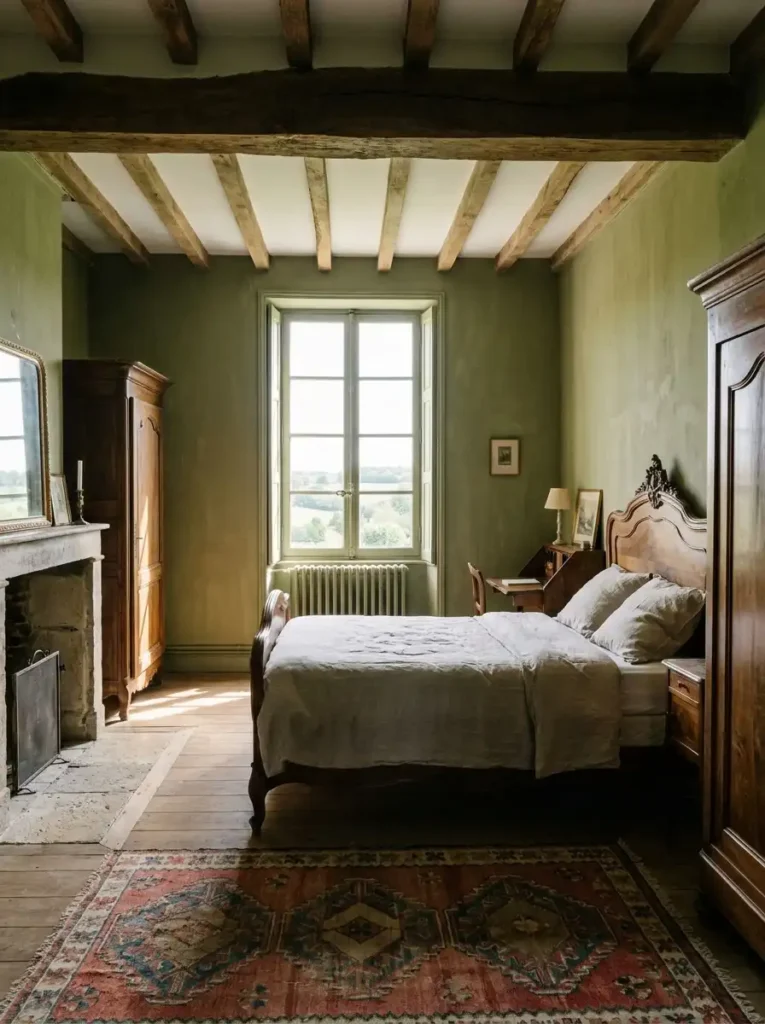
Greens and Heritage Colors
Muted greens are another major European-inspired trend.
Sage, olive, green-gray, smoky green, and deep garden green are all showing up in interiors and exteriors. These shades often feel more timeless than brighter greens because they are muted enough to act like neutrals.
For Colorado homes, green-gray tones can work especially well. They pair naturally with stone, wood, landscaping, mountain views, and darker roof colors. They can also soften the look of a home without making it feel trendy.
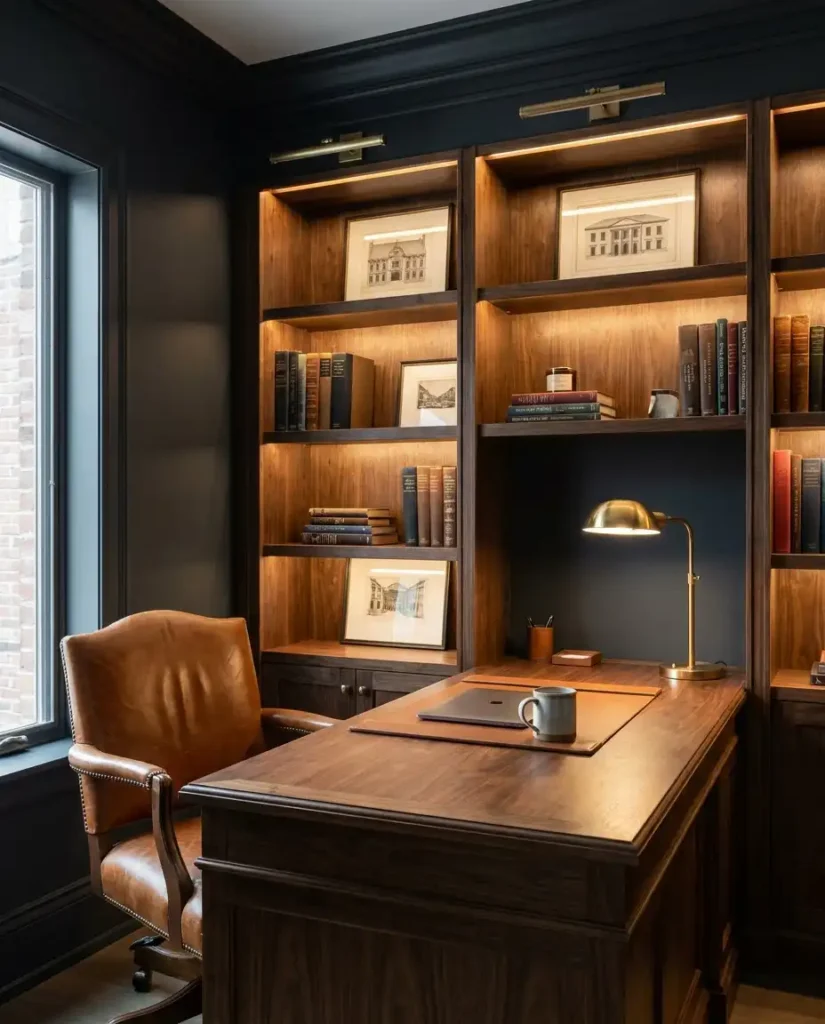
Inside the home, muted greens work well in offices, bedrooms, dining rooms, mudrooms, powder rooms, built-ins, and cabinetry. They create a grounded look without making the room feel too dark.
On exteriors, these colors can work well for front doors, shutters, trim accents, garden gates, and selected siding palettes. Full exterior green can look beautiful, but it needs to be tested carefully against the roof, brick, stone, and neighborhood guidelines.
“Muted green is one of the more practical trends because it connects well with Colorado landscapes,” says Morgenstern. “But there is a big difference between a soft green-gray and a trendy green that may feel dated in a few years. The goal is to find the version that still feels right five or ten years from now.”
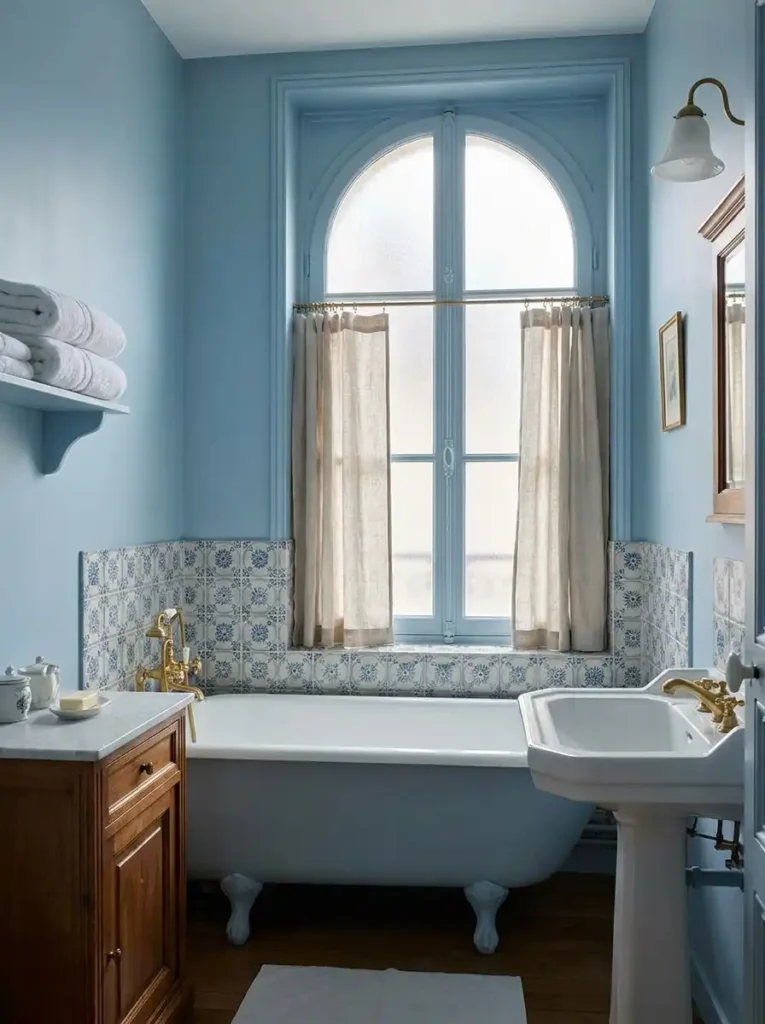
Soft Blues and Indigos
Muted greens are another major European-inspired trend.
European color forecasts are also showing more interest in blue, especially indigo blues, smoky blues, blue-grays, and earthy blue palettes.
For Colorado homes, blue can be useful, but it needs restraint. Bright blue exteriors can be difficult to pair with roofing, stone, brick, and HOA guidelines. Softer blue-grays, smoky navies, and indigo accents are often more successful.
Inside, these shades can work well in bedrooms, offices, powder rooms, laundry rooms, built-ins, and cabinetry. They can add personality without overpowering the rest of the home.
Outside, blue is often best used as an accent. A smoky blue front door, deep blue-gray shutters, or a subtle blue-gray siding color can work better than a bold blue body color.
“Blue is one of those colors where a little can go a long way,” says Morgenstern. “For Colorado exteriors, I usually like blue better when it is softened with gray or used as an accent. It needs to feel connected to the rest of the house.”
Limewash, Plaster, and Textures
Muted greens are another major European-inspired trend.
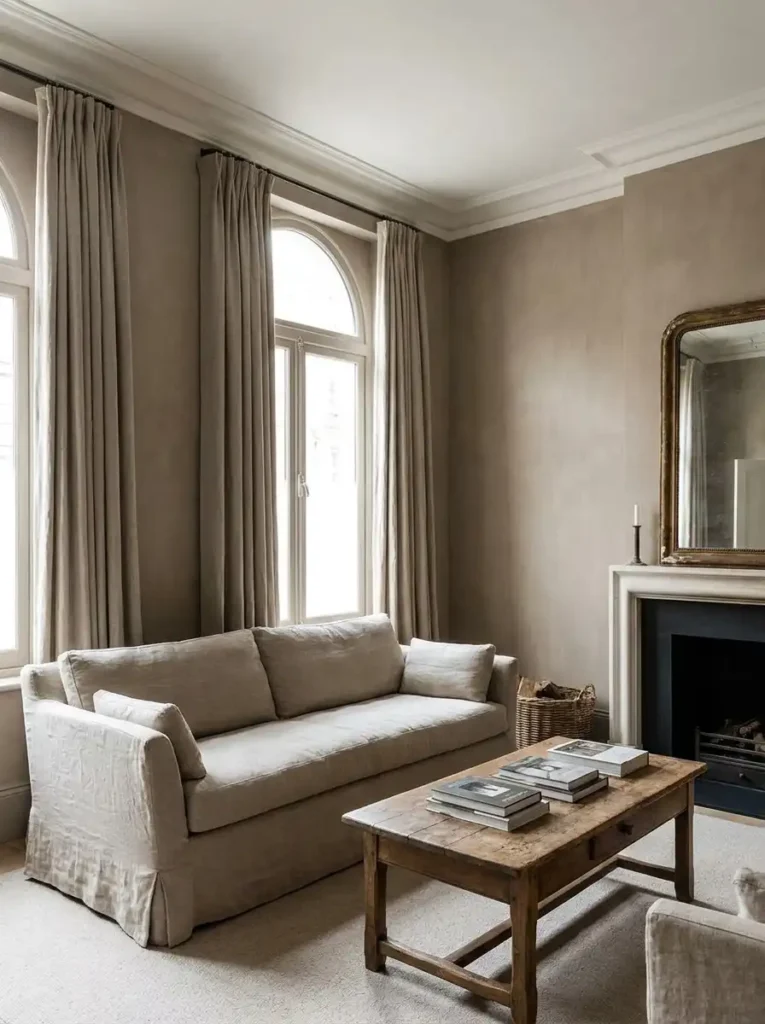
Limewash and plaster-inspired finishes are some of the most recognizable European painting trends. These looks are popular because they create movement, softness, and an old-world feel that standard paint does not always provide.
Textures Work Well On:
- Brick fireplaces
- Stone fireplaces
- Interior feature walls
- Powder rooms
- Entry walls
- Dining rooms
- Historic homes
- Exterior masonry
“These finishes are not one-size-fits-all,” says Morgenstern. “Limewash and plaster-style walls can be stunning, but the homeowner has to understand the look. If someone wants a perfectly uniform, crisp painted surface, limewash may not be the right direction.”
European Trends That Work
Muted greens are another major European-inspired trend.
European exterior palettes tend to feel softer and more natural than many modern American exterior trends. Instead of extreme black-and-white contrast, they often use warm white, stone, taupe, mushroom, soft gray-green, muted brown, and deep heritage accent colors.
A few exterior ideas that translate well include:
- Warm white siding with soft greige trim
- Stone-colored stucco with a muted green door
- Mushroom or taupe body color with bronze or dark brown accents
- Soft green-gray trim against natural brick
- Warm off-white masonry with a deep heritage front door
- Muted exterior palettes that coordinate with roof and stone
These palettes are also more HOA-friendly than many bold exterior trends. That matters in many Colorado neighborhoods where exterior paint colors may need approval before work begins.
“The roof, stone, brick, and neighborhood guidelines should all be part of the color conversation,” says Morgenstern. “A European-inspired exterior should feel timeless and natural. It should not look like a trend was forced onto a house that was not built for it.”
Trends to Be Careful With
Some European trends are worth approaching with caution in Colorado.
ultra-dark exterior paint
Dark exteriors can look sharp, but they absorb more heat, can show fading more quickly, and may create challenges with certain materials or HOA approvals.
distressed limewash
It can look beautiful on the right brick or stone, but it is not ideal for homeowners who want clean, even coverage.
matte finishes
Matte walls can look elegant, but high-traffic areas may need a more washable finish.
copying a color from social media
A color photographed in a cloudy European climate may look completely different in Fort Collins or Loveland sunlight. Read our article on viral painting trends for more insight.
Best European-Inspired Ideas
For most Colorado homeowners, the best European-inspired painting ideas are the ones that feel timeless, natural, and flexible.
The strongest options include:
- Warm whites instead of stark whites
- Stone, mushroom, taupe, and soft greige neutrals
- Muted green-gray accents
- Smoky blue or indigo accents used with restraint
- Tonal trim and wall combinations
- Low-sheen finishes where appropriate
- Limewash or masonry finishes only on the right surfaces
- Plaster-inspired feature walls for premium interior spaces
These trends work because they do not fight the home. They support the architecture, soften the light, and pair well with Colorado materials.
Talk with a professional painting contractor
European painting trends can be a great fit for Colorado homes when they are adapted properly. The goal is not to copy a look from another climate. The goal is to take the best parts of that style and make them work for your home, your light, your materials, and your long-term maintenance needs.
Whether you are considering a warm interior repaint, a muted exterior color update, a color-drenched office, a limewashed fireplace, or a full exterior refresh, MGM Painting Co. can help you choose a color direction that feels current without feeling risky.
MGM Painting Co proudly serves Fort Collins, Loveland, Windsor, Timnath, Greeley, Wellington, and Johnstown with professional exterior painting services.
MGM Painting Co provides professional exterior painting services backed by quality craftsmanship, clear communication, a 5-star Google rating, and A+ accreditation with the Better Business Bureau (BBB). Contact us today to schedule your estimate and refresh your home’s exterior with confidence.


Frequently Asked Questions
Popular European-inspired colors include warm whites, limestone neutrals, mushroom, taupe, soft greige, muted green, olive, smoky blue, burgundy, and earthy brown. These colors are often chosen because they feel natural, layered, and less dependent on short-term trends.
Yes. European-inspired colors can work very well in Colorado homes, especially when they complement stone, brick, wood, natural landscaping, and mountain or prairie views. The colors should still be adjusted for Colorado’s strong sunlight, dry climate, and changing seasons.
Colorado receives strong, direct sunlight that can make exterior colors look brighter and more intense. Snow, shade, room direction, and nearby surfaces can also affect how a color appears. This is why paint samples should be viewed in the actual space before making a final decision.
Warm whites with cream, beige, stone, or soft greige undertones often work better than bright white. The right shade depends on the home’s roof, brick, stone, flooring, trim, and natural light. A white that works on one home may look yellow, gray, or overly bright on another.
Yes. Muted green, olive, sage, and green-gray can work well with Colorado landscapes and natural exterior materials. The color should be tested against the roof, stone, brick, windows, and HOA requirements before painting the entire exterior.
No. True limewash works best on porous masonry surfaces such as brick, stone, stucco, and other mineral-based materials. It may not adhere properly to every painted or sealed surface. Homeowners should also be comfortable with the natural variation and weathered appearance that limewash creates.
Regular paint creates a more uniform coating over the surface. Limewash absorbs into compatible masonry and creates a softer, more textured appearance with natural color variation. Limewash may require a different preparation and maintenance process than standard exterior or interior paint.
Dark green, navy, burgundy, brown, and charcoal can work well in bedrooms, offices, dining rooms, libraries, and home theaters. The room’s natural light, ceiling height, furniture, and artificial lighting should be considered before using a dark color across multiple surfaces.
Yes. Warm neutrals, tonal color palettes, muted greens, dark blues, and natural exterior colors can soften modern architecture without making it feel traditional. These colors often pair well with black windows, wood accents, metal details, stone, and clean architectural lines.
Matching or closely coordinating the trim and wall colors can create a softer, more cohesive look. This approach works especially well in color-drenched rooms and spaces with detailed molding. Traditional white trim can still work when stronger contrast is preferred.
Yes. Qualifying MGM Painting Co. projects include a professional color consultation at no additional cost. Homeowners meet one-on-one with June, a professional designer, to select colors that work with the home’s architecture, lighting, materials, and long-term design goals. MGM Painting Co. partners with Guiry’s for professional paint and color support.